If you’ve ever stood in a plastic production facility at 2 a.m., when the only sound over the hum of injection molding machines is the quiet panic of a deadline approaching, you know how much a custom bottle cap mold can make or break a product launch. I’ve been working as a custom bottle cap mold supplier in the U.S. for 12 years now, and I’ve lost count of how many clients have stumbled into my shop frustrated by overseas mold makers who delivered subpar tooling, missed deadlines, or vanished before fixing a critical flaw. The truth is, finding a reliable domestic supplier isn’t as simple as typing “custom bottle cap molds USA” into Google and picking the first result. It takes digging past marketing fluff, asking the right questions, and verifying that a partner can deliver on precision, timelines, and long-term support—things that are non-negotiable when your brand’s packaging is on the line. Custom Bottle Cap Molds

First, let’s talk about why choosing a U.S.-based custom bottle cap mold supplier matters, beyond just avoiding international shipping delays. For small to mid-sized beverage brands, natural personal care companies, even pharmaceutical teams, custom caps aren’t just a functional part of packaging—they’re a key branding touchpoint. A cap that leaks in transit can ruin a months-old product shipment; a cap that doesn’t align with your brand’s color or texture can make a new line feel unpolished. Domestic suppliers operate on consistent U.S. timelines, so if you need a last-minute tweak to a mold before a trade show or a product launch, you won’t be waiting three weeks for a reply from someone in a time zone 12 hours away. We run our shop in Ohio, and our clients know that if they send a note at 10 a.m. ET, they’ll get a response by noon—no more playing phone tag across continents. Also, there’s the regulatory piece. For brands targeting U.S. markets, complying with FDA food contact standards or USP Class VI medical requirements is non-negotiable. Domestic suppliers are built to navigate these regulations easily, since they’re subject to the same local oversight as their clients. Overseas mold makers often don’t have the same level of familiarity with these rules, leading to delays or even rejected products down the line.
But here’s the thing: not all U.S. custom bottle cap mold suppliers are created equal. I’ve seen suppliers who specialize in large, high-volume automotive molds trying to dip their toes into small-batch bottle cap projects, and it shows. The best way to start your search is by narrowing your focus to suppliers with a track record specifically in bottle cap tooling. How do you vet that? Start with case studies. A reputable supplier will have a portfolio of past projects, with details that go beyond “we made molds for a soda brand.” Look for specifics: did they make a tamper-evident cap for a craft beer brand that reduced return rates by 15%? Did they design a child-resistant cap for a children’s over-the-counter medication that passed all safety tests on the first try? We post our case studies on our website, and every single one is from U.S.-based brands across beverage, personal care, and pharmaceuticals—no generic, one-size-fits-all projects. If a supplier’s website is heavy on stock photos and light on real, client-specific results, that’s a red flag.
Next, dive into their production capabilities. Custom bottle caps require tight tolerances—most food-grade caps need to be within 0.005 millimeters to seal properly. A supplier that can only offer manual quality checks after production is going to miss flaws that lead to wasted plastic, rejected products, and unhappy clients. Ask about their equipment: do they use CNC machining centers with 5-axis precision, the same tools we’ve used for our bottle cap molds since 2018? Do they have an in-house quality control team that does first-article inspections (FAIs) on every mold before it leaves the shop? We have a full-time QC specialist who runs every single cap from a new mold through a seal test and a pressure test to make sure it fits your bottle exactly and doesn’t leak, even when shaken. Also, ask about their capacity. Can they handle small runs (like 5 to 10 molds for a new product test) as easily as large runs (50+ molds for a national launch)? Some domestic suppliers pride themselves on big, high-volume clients and will brush off small, newer brands. We intentionally balance our schedule to work with startups and Fortune 500 companies alike—because a great bottle cap for a craft soda line deserves the same precision as one for a major energy drink brand.
Then, there’s communication and support—something that gets overlooked until you need it. When you’re designing a custom cap, you’re going to have questions at every step: Does this texture feel right in hand? Will this tamper band hold up during shipping? What if we need to tweak the cap’s diameter a week before production? A domestic supplier should be easy to reach, and their team should understand your product, not just the mold. We assign a dedicated project manager to every client, so you’re not playing telephone with a sales rep who doesn’t know the details of your project. Our PMs are on-site in our Ohio shop, so if you want to hop on a call at 3 p.m. to walk through a design tweak, that’s possible—no scheduling a time three days in advance for a video call with someone halfway across the world. Also, ask about post-production support. Will the supplier help you troubleshoot if the cap isn’t sealing correctly during molding? Will they offer updates or maintenance for the mold a year later? We provide a 12-month warranty on all our molds, and we offer complimentary technical support for the life of the tool—because a mold is only as good as the support you get when things go wrong.
Don’t sleep on certifications, either. For brands that need to meet specific standards—like FDA 21 CFR for food contact materials, or ISO 9001 for quality management systems—this is non-negotiable. A lot of U.S. mold suppliers claim to comply with these standards, but few have the actual paperwork to back it up. We’re ISO 9001 certified, and every one of our bottle cap molds is built to FDA food contact requirements for beverage, food, and personal care applications. For pharmaceutical clients, we also offer USP Class VI compliant molds, which is a must for any project involving medication packaging. If a supplier can’t provide copies of their certification upfront, that’s a sign they might cut corners that could come back to hurt your brand.
Another trick I’ve learned over the years: ask for a sample mold. If a supplier is worth working with, they should be willing to create a prototype or a small sample mold for you to test. We offer low-cost sample molds for new clients, because we know that seeing and touching a cap is way more reliable than any 3D render. When you test a sample, don’t just look at the design—test it. Screw it on your bottle, fill it with water, shake it, leave it in a hot car for a day. Does it leak? Does the texture hold up? Is the tamper band easy to remove but not so loose that it falls off during shipping? A good sample will answer all those questions before you invest in a full production mold. I’ve had clients come to me after a bad experience with overseas suppliers who tried to sell them a sample mold made with lower-grade steel that warped after a month of use. Our samples are made with the same grade of tool steel we use for full production runs, so you know exactly what you’re getting.
Now, where do you actually find these suppliers? Google is a start, but look beyond the first page of results. Many small, specialized mold shops don’t have big marketing budgets, so they might be on industry directories like the Plastic News Supplier Directory or the American Injection Molding Association’s member list. We’ve gotten a lot of our new business through trade shows, like the Pack Expo, which is focused on packaging technology, and the Natural Products Expo West for personal care and food brands. Trade shows are great because you can meet the team face-to-face, see their molds in action, and talk through your project in real time. Also, ask for referrals. If you work with a packaging designer, a plastic production team, or even another brand in your industry, they’ll have reliable recommendations. A lot of my clients have come to me through referrals from other small beverage brands, and that’s the highest compliment we can get—because it means someone trusted us enough to pass our name along.
I want to be honest, though: there are a few pitfalls to avoid when vetting a U.S.-based custom bottle cap mold supplier. The biggest one is “too good to be true” pricing. If a supplier is quoting you half what other domestic suppliers are charging, there’s a reason. They might be using lower-grade tool steel that will warp after 10,000 uses, or cutting corners on quality control, leading to a high rate of defective caps. We price our molds fairly, because we use premium materials and our team puts in the work to get every detail right, but we’re never the cheapest option—and we tell clients that upfront. Another pitfall is suppliers that don’t offer in-house design support. Some brands don’t have an in-house team to design their custom cap, and a good mold supplier should be able to help you refine your design to make it moldable, which saves you time and money in the long run. We have in-house design engineers who work with clients to tweak cap designs, make them more cost-effective to produce, and ensure they meet all regulatory requirements—something that’s hard to get from overseas suppliers that charge extra for design services.
At the end of the day, finding the right custom bottle cap mold supplier in the U.S. is about finding a partner, not just a vendor. When I first started my shop, I worked with a small craft soda brand that needed a custom twist cap for their new line. They had a rough design, and a lot of other suppliers laughed it off, saying it was too complex to mold correctly. We spent three days refining the design, creating a sample, and testing it, and that cap became one of their best-selling features. Now, five years later, they still send us new projects, and they refer all their industry friends to us. That’s the kind of relationship you want: one where the supplier cares as much about your product’s success as you do.
If you’re currently in the market for a custom bottle cap mold, or you’ve had bad experiences with suppliers that missed deadlines or delivered subpar work, don’t settle. Take the time to vet suppliers, ask questions, ask for samples, and verify their credentials. The right domestic supplier will not only deliver a high-quality mold on time—they’ll be a resource for every step of your product’s journey, from design to production to launch.
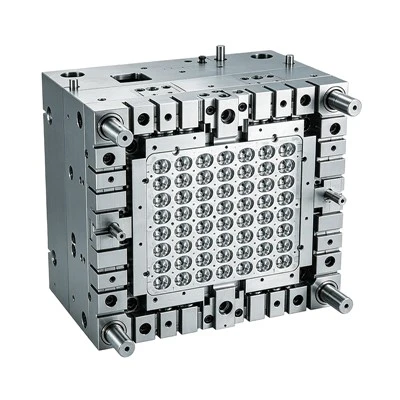
If you’re ready to talk about your custom bottle cap project, or you just have questions about mold design, materials, or timelines, we’re here to help. Reach out to our team to discuss your needs, and we’ll walk you through every step, no pressure, no jargon, just honest, expert advice.
Capping Machine References
- American Injection Molding Association. (2023). "Domestic Tooling: Advantages for U.S. Packaging Manufacturers." Industry Report.
- FDA. (2022). "Food Contact Substance Notification Program: Requirements for Packaging and Components." U.S. Food and Drug Administration.
- Society of Plastics Engineers. (2021). "Precision Tolerances in Bottle Cap Molding for Consumer Products." Technical Bulletin.
- Pack Expo. (2023). "2023 Packaging Supply Chain Report: Domestic Tooling Trends." Trade Industry Analysis.
- International Organization for Standardization. (2020). "ISO 9001:2015 Quality Management Systems Requirements." ISO Standards.
Taizhou Koni Mould Co., Ltd.
As one of the most professional custom bottle cap molds manufacturers and suppliers in China, we also support customized service. Please feel free to wholesale high quality custom bottle cap molds made in China here from our factory. For pricelist, contact us now.
Address: No. 97 Jinju Road, Chengjiang Subdistrict, Huangyan District, Taizhou City, Zhejiang Province
E-mail: kn@kenimould.com
WebSite: https://www.kenimouid.com/
