Hey everyone, it’s Mia from your go-to frozen dumpling supplier—yeah, the one who’s been hooking up local cafes, grocery stores, and even home bakers with plump, flavor-packed dumplings for years. Today, I’m spilling a secret I get asked about every single week: how do you keep frozen dumplings good for long term without them turning into freezer burn mush or tasting like they’ve been sitting in a random deep freeze for months? Frozen Dumplings
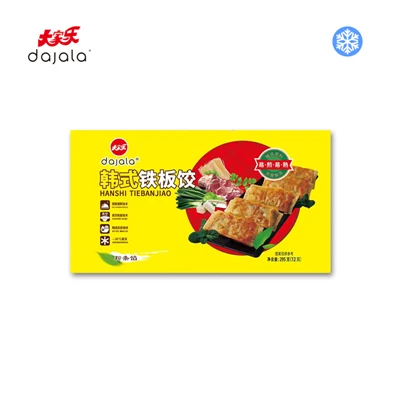
First, let’s get real—freezer dumplings are a total game-changer, right? You can have a quick, comforting meal ready in 2 minutes, no chopping, no stirring, just boil, steam, pan-fry, and boom, dinner is done. But here’s the catch: if you mess up storing them, all that time we spent mixing our secret pork filling, folding each dumpling by hand (yep, every single one), and flash-freezing them right after they’re made goes to waste.
I’ve seen it a hundred times: a customer calls panicking because their “long term” stored dumplings taste like freezer metal, or worse, they’re so stuck together they can’t pry one apart without breaking. So let’s break this down like we’re chatting over a cup of coffee (my go-to when I’m packing orders at 2 a.m. during holiday rushes).
First off, what even counts as “long term” for frozen dumplings? I’m talking 3 to 12 months, not just a couple weeks. That’s the sweet spot for keeping that fresh, just-made flavor we all love. But to hit that, you can’t just toss the bulk bag from the grocery store into your freezer and forget about it. Wait, that’s what I see people do—don’t be that person.
Let’s start with the basics that most folks skip: flash-freezing before bulk storage. We do this at our supplier facility, and it’s non-negotiable. When dumplings are first made, they’re still warm, and if you pile them into a container right away, they’ll stick together like glue, plus moisture will build up, leading to ice crystals. Flash-freezing means we blast them with sub-zero air for 10 to 15 minutes so each dumpling freezes individually, solid, no ice on the outside. That’s step one—if you’re storing homemade dumplings, do this too: spread them in a single layer on a baking sheet lined with parchment, stick ’em in the freezer for a few hours, then transfer to a bag or container. If you’re buying from a supplier like us, we already do this, so your job starts once you get them home.
Now, the container game. This is where so many people go wrong. Those flimsy plastic bags that come with bulk frozen items? They’re fine for a couple weeks, but for long term (3+ months), you need something airtight, and I mean really airtight. Freezer burn is caused by exposure to cold, dry air in the freezer, so if there’s even a tiny gap in your bag, that’s what’ll happen.
Here’s what works: either heavy-duty vacuum-sealed bags (trust me, I stock these in my kitchen for my own dumplings) or rigid airtight containers made of plastic or glass. Glass is great because you can see how much space’s left inside, but make sure it’s labeled—no one wants to find a random container in the back of the freezer a year from now, wondering if it’s dumplings or old ice cream. If you use vacuum-sealed bags, make sure you don’t overfill them—leave a little room so the air can get sucked out completely, no squishing the dumplings flat.
Pro tip from someone who’s tested every single bad container: skip the flimsy zip-top bags. Even if you seal ’em tight, over time, cold air will seep in, and the plastic can get brittle, leading to tiny tears. I learned this the hard way last winter when a batch we stored in zip-tops turned into a freezer burnt mess—had to throw half of ’em out, which was a huge bummer. So invest a little in good containers; it saves you money in the long run.
Next, portioning. Don’t store a whole 5-pound box of dumplings in one container if you only cook 1 pound at a time. Every time you open the container, you let cold air rush in and warm up the dumplings—even a little bit. That fluctuation in temperature is a killer for long term storage. So split your dumplings into meal-sized portions before you stick ’em in the freezer. Each portion is whatever you’d cook in one sitting—10 dumplings for a single person, 20 for a family, whatever. That way, you only open one container once, not every time you want a dumpling fix. I do this at the supplier too—when we ship to cafes, we split bulk orders into 10-lb portions, each vacuum-sealed, so the cafes can grab one when they need it without thawing the whole batch. It’s a small step that makes a huge difference.
Now, freezer temperature. This is another thing people overlook. Your home freezer should be set to 0°F (-18°C) or lower. If it’s set higher than that, the dumplings will thaw a little, refreeze, and those ice crystals I mentioned earlier will form, breaking down the texture. A lot of people have their freezers set to like 25°F because they want ice cream soft—don’t do that for dumplings. I check my freezer temp every month with a little thermometer I keep tucked in the back. It’s only $5 at the grocery store, and it’s worth it to keep your dumplings fresh. Also, try not to overcrowd your freezer. If you’re shoving tons of stuff in, air can’t circulate properly, so some spots might be warmer than others. Leave a little space around your dumpling containers so the cold air can get to every single one.
Wait, what about thawing? No, wait—this is about storage, but I get asked about thawing too, and it ties into keeping them good long term. If you’re going to use your dumplings within a month or two, you can even leave them in the original (we’d say, if you buy from us, the original packaging is okay for short term, but swap for airtight for long term) packaging. But if you’re going the 6+ month route, thawing before storing is a no-no. Thawing, even in the fridge, will make the dumpling wrapper mushy, and bacteria can start to grow if they’re not kept frozen solid. So keep ’em frozen the whole time you’re storing them.
Another big one: labeling. This is so simple, but I see it all the time. You grab a container out of the freezer, and you have no idea when you put it there, or what kind of dumplings they are (pork? chicken? vegetable? I make all kinds, so I get it). So label each container with the date you stored them, and the flavor. For example, “Pork Chive Dumplings, stored 10/15/24”. That way, you can keep track of how long they’ve been in there, and you won’t accidentally eat a batch that’s been there 18 months. Our supplier customers love this—we include stickers with space for them to write their own dates, so they don’t mix up their orders.
What about common mistakes people make? Let’s list ’em out: 1) Storing dumplings in opened containers, 2) Not portioning, leading to repeated temperature fluctuations, 3) Using flimsy bags, 4) Freezer too warm, 5) Overcrowding the freezer. All of these lead to freezer burn, which is basically the dumpling equivalent of sunburn—tough, dry, and not tasty. I’ve had customers tell me they stored dumplings in their freezer for a year, and when they tried them, they tasted like the frozen pizza next to them. That’s cross-contamination from poor sealing, right there. So airtight is non-negotiable.
Wait, can you extend storage even longer? Like, beyond a year? Technically, frozen dumplings are safe to eat way beyond that, but the flavor and texture start to fade after 12 months. The wrapper gets tough, the filling loses its fresh taste. So for best quality, stick to 3-12 months. That’s the window we recommend at our facility, and our customers (small cafes, home cooks, even food trucks) swear by it.
Here’s a quick test to see if your dumplings are still good after long term storage: take one out, let it sit at room temp for 5 minutes (don’t thaw it all the way). If there’s a huge patch of ice on it, or it feels squishy, not solid, that means it’s been exposed to air and freezer burn is setting in. If it’s still solid, a little frost is okay—just pat it off before cooking.
Now, if you’re a business owner reading this, or a big family that goes through a lot of dumplings, buying in bulk from a supplier like us is the way to go for long term storage. We package ’em exactly to these specs: flash-frozen, portioned, airtight, and marked with dates. So you don’t have to worry about doing it right at home. I even work with a lot of local restaurants that use our dumplings for their appetizers, and they tell me this storage method keeps their dumplings tasting fresh for months, so they don’t have to reorder every week.
Wait, let’s make this super practical, step-by-step if you’re storing from a supplier: 1) As soon as your dumplings arrive at your house/shop, check the packaging for any tears. If there’s a tear, transfer them right away to a vacuum-sealed bag or airtight container. 2) Split the bulk into meal-sized portions—no more than you’ll cook in one sitting. 3) Label each portion with flavor and storage date. 4) Stick ’em in the coldest part of your freezer (the back, not the door—door temp fluctuates every time you open it). That’s it. Super easy, no fancy tools needed.
I can’t stress enough how much this matters. Last month, a customer came to us with a batch of dumplings they’d stored for 6 months that tasted like freezer metal. They’d used flimsy zip-tops, kept them in the freezer door, and never labeled them. We helped them repackage them the right way, and they told me a week later that their new batch tasted just as good as the day they got it. That’s the win right there.
Now, before I wrap this up, let’s talk about why we do what we do at our supplier. We don’t just make dumplings—we make them with care, because we know how important it is for you to have a reliable, tasty meal on hand. If you’re a small restaurant needing a steady supply of dumplings that stay fresh for months, or a grocery store looking to stock frozen dumplings that customers will buy over and over, we’ve got you. We can customize portions, work with your storage needs, and make sure every batch is flash-frozen and packaged to last.
At the end of the day, long term storage of frozen dumplings isn’t rocket science—it’s just paying attention to the little details: airtight containers, portioning, freezer temp, and labeling. Skip the common mistakes, and you’ll have perfect dumplings ready to cook whenever you want, for months.

If you’re ready to stock up on high-quality frozen dumplings that are made to store well, just reach out to us. We’re here to help you figure out what works for your needs, whether you’re a home cook or a business. Don’t settle for freezer burnt, stale dumplings—let’s get you set up with dumplings that stay fresh, no matter how long you need to store them.
Mochi References:
- Food and Drug Administration. (2023). Freezing and Food Safety. U.S. Department of Health and Human Services.
- Institute of Food Technologists. (2022). Freezer Storage and Food Quality. IFT Press.
- National Center for Home Food Preservation. (2021). Freezing Dumplings and Other Stuffed Foods. University of Georgia Extension.
Shandong Laizhou Dajiale Food Co., Ltd.
As one of the most experienced frozen dumplings manufacturers and suppliers in China, we also support custom service and OEM service. Please feel free to wholesale bulk high quality frozen dumplings made in China here from our factory. Welcome to view our website for more information.
Address: No. 1888, Qianzhu Shiqun Village, Chenggang Road, Liuzhou Town, Laizhou City, Shandong Province
E-mail: intl.sales@dajalafood.com
WebSite: https://www.dajalafood.com/
