Hey there, if you’re reading this, chances are your powder packaging machine is being a total diva—like, it’s supposed to dose out exact amounts of powder, but lately it’s either spitting out way too much, way too little, or just half-heartedly trying and failing. As a powder packaging machine supplier, I’ve seen this exact chaos play out with so many clients over the years, and trust me, you don’t need a full tech overhaul (or a panic attack) to fix most of it. I’m gonna walk you through the troubleshooting steps we actually teach our team to use, no fancy jargon, just straight-up fixes that work. Let’s dive in. Powder Packaging Machine
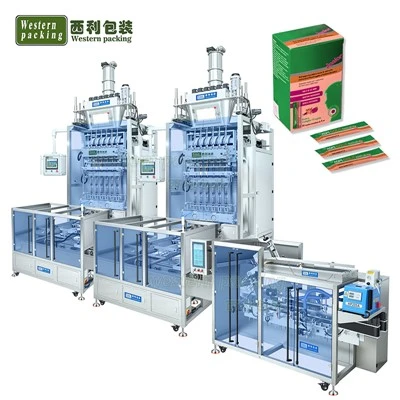
First off, let’s start with the basics—stuff that’s easy to skip when you’re in a rush. I can’t tell you how many times a client has called us panicking, thinking their dosing system is broken, only to realize the hopper filter was clogged or the feed screw had a tiny bit of caked powder stuck on it. Wait, hold on—what even is your machine doing wrong? Is it inconsistent doses, like one bag gets 500g and the next is 480g? Or is it totally overfilling, like 600g on purpose for no reason? Or is it under-dispensing, like it can’t even hit 450g when it should? Let’s break each of these down, starting with the most common culprit: powder itself. No, I’m not kidding. Powder properties change everything. If your powder is super fine, like flour or cosmetic pigment, it might aerate, which makes it flow too fast—so the machine can’t measure it accurately. If it’s damp, like a protein powder that sat in a humid warehouse, it’ll cake, so it clumps in the feed screw or vibratory feeder, leading to under-dispensing. Even static is a thing! Fine powder sticks to the sides of the hopper instead of getting into the dosing mechanism, so you’re not actually getting the full amount you think you are.
Wait, how do you test that quick? Dump out the old powder, wipe down the hopper and feed screw with a dry microfiber cloth, then run a small batch of a dry, free-flowing powder—like granulated sugar—through the machine. If the doses are perfect now, boom—your original powder is the issue, not the machine. That’s a quick win. I once had a client who was packaging a custom spice blend, and they added way too much garlic powder, which is super fine. Aeration was making the feed screw spin too fast, so we just added a small de-aerator to their hopper, and it fixed all their dose issues. Cost them like $150, way cheaper than a new machine.
Next up, let’s talk about the feed mechanism itself—this is where 70% of dispensing problems live, in my experience. Different machines use different feed systems: some are screw feeders, some are vibratory pans, some are gravity drop. Let’s start with screw feeders, since those are the most common for powder packaging. First, check the feed screw speed and torque. If the speed is set too high, the powder doesn’t have time to settle into the bag—it just keeps flowing as the screw turns, leading to over-dispensing. If it’s too low, you get under-dispensing. But wait, torque matters too. If there’s any debris or caked powder jamming the screw, the torque will spike, and the machine will either shut off (if it has a safety feature) or just spin without moving any powder, leading to nothing coming out. How do you check torque? Most modern machines have a little screen that shows real-time torque, but if yours doesn’t, you can manually turn the feed screw (make sure the machine is unplugged first!) and feel if it’s sticky or has resistance. If it’s stiff, take the screw out, soak it in warm soapy water for 10 minutes, scrub off any caked powder, dry it completely, and put it back in. That’s a super common fix.
Then, for vibratory feeders (used for more fragile powders that can’t handle a screw grinding them), check the vibrator amplitude. If it’s too low, the powder doesn’t move enough to reach the dosing gate, so under-dispensing. If it’s too high, the powder bounces all over, spilling and over-dispensing. Also, check the feeder pan for wear—over time, the pan can get scratched or dented, so powder gets stuck in the dents instead of flowing evenly. A quick sanding or replacing the pan usually fixes that. And for gravity feed systems (less common now, but still around for coarse powders), check the gate that opens to drop the powder. If the gate isn’t opening all the way, powder can’t flow through, or if it’s opening too far, too much comes out. Also, check the seal on the gate—if it’s worn, powder might leak when it’s supposed to be closed, leading to messy doses.
Now, let’s move to calibration—this is the step most people skip, and it’s such a mistake. Even if your machine is brand new, it might not be calibrated correctly for your specific powder. Calibration isn’t just “set the dial to 500g”—it’s a specific process. Let’s walk through it for screw feeders, since that’s what I know best. First, make sure the hopper is full (so you don’t have variable levels affecting the dose), then run 10 test cycles, weighing each dose as it comes out. Now, look at the average—if it’s 510g, you need to adjust the feed time or the screw distance. Wait, here’s a pro tip we give all our clients: don’t just adjust by small increments. If you’re off by 10g, don’t turn the dial 1 click—turn it 5, run 10 more tests, then adjust again. Because powder flow isn’t linear, so tiny adjustments won’t do anything. Also, make sure you’re using the same packaging material you’ll use for production—bag thickness, type, even the fill depth affects the weight. I had a client once who calibrated using empty cardboard boxes instead of their plastic stand-up pouches, and they were 20g off every time because the pouch was flexible and shifted weight. That’s a rookie mistake, easy to fix though—just use actual packaging for calibration.
Next, check the sensors—this is where machines can be finicky. Most powder packaging machines have load cells to weigh the dose, or optical sensors to detect when the bag is in place. If the load cell is dirty, it’ll give a false weight reading, so the machine thinks it’s dispensed the right amount when it’s not. How to clean a load cell? Unplug the machine, use a soft brush to dust it off, then wipe with a dry cloth—don’t use any liquids, because that can damage the wiring. If it’s an optical sensor, check for dust or powder buildup on the lens—even a tiny smudge can make it not see the bag, so it starts dispensing too early or too late. For example, if the sensor is dirty, it might wait 2 extra seconds for a bag that’s already there, and in that time, more powder comes out, leading to over-dispensing. That’s a super easy fix—just wipe the sensor lens with a cotton swab and some isopropyl alcohol, that’s it. Also, check the sensor alignment—if it’s tilted slightly, it might not detect the bag correctly, so adjust it until it’s lined up dead center.
Wait, what if none of that works? Let’s talk about mechanical wear, which happens over time, especially with machines that run 24/7. The most common worn part is the feed screw flighting—after thousands of cycles, the edges of the screw can wear down, so it’s not moving the powder efficiently, leading to inconsistent doses. How do you check that? Take the feed screw out, hold it up to a light, and see if there are any gaps or thin spots in the flighting. If you can see light through the edges, that means it’s worn, and you need to replace the screw. Another common worn part is the O-ring or seal on the dosing chamber. If that’s cracked or dried out, air can get in, which aerates the powder and makes it flow too fast. Replacing the O-ring is cheap, like $5 or $10, way better than buying a new machine. Also, check the conveyor belt if your machine has one—if it’s stretched or has a crack, the bags might be misaligned, so the sensor misses them, leading to wrong doses. A quick tension adjustment or belt replacement fixes that.
Oh, and one more thing I almost forgot: the machine’s settings. Sometimes, after a power outage or a firmware update, the settings get reset, which is why you might suddenly have issues out of nowhere. If you have a touchscreen on your machine, pull up the “setup” or “dosing settings” menu and check a few key things: feed time (how long the screw runs), pre-feed time (a short run to get powder moving before the final dose), stop position (when the screw turns off), and weight tolerance. Wait, weight tolerance is important—if it’s set too tight, like +/- 1g, the machine might stop mid-cycle because of a tiny fluctuation, leading to under-dispensing. If it’s set too loose, like +/- 10g, it might keep dispensing too much powder. Most of our standard machines have a tolerance of +/- 2-3% for powder, so adjust that to match your product’s requirements. Also, if you have a machine with a programmable logic controller (PLC), make sure the firmware is up to date—we send out updates for free, because we’ve fixed glitches that cause dosing errors. If you’re not sure how to check, just reach out to your supplier, that’s what we’re here for.
Wait, let’s test this with a real example, something I actually helped a client fix last month. They had a 10-head screw filler packaging organic cocoa powder, and for weeks, their doses were all over the place—some bags 480g, some 520g, even though they were set for 500g. They tried cleaning the hopper, calibrating, changing powder batches, nothing worked. We had them take out one of the feed screws—turns out, one of the screw flights had a tiny burr on it from when it was manufactured, which was catching cocoa powder, so it wasn’t turning smoothly. We just sanded the burr down, put it back in, recalibrated, and their doses were perfect. That’s the kind of random, small issue that causes big problems, so never skip taking apart parts to check for tiny damage.
Now, let’s talk about when to call in the pros, instead of troubleshooting on your own. If you’ve gone through all these steps: checked the powder, cleaned the feed mechanism, calibrated, checked sensors, replaced worn parts, and you’re still getting inconsistent doses, that’s when it’s time to reach out. Maybe there’s an issue with the PLC wiring, or the load cell is faulty, or something deeper that you can’t see. As a powder packaging machine supplier, we offer remote troubleshooting first—we can walk you through step-by-step over a call, even pull up your machine’s live data to see what’s going wrong, before we send a technician out. Most of the time, it’s something simple, but if it’s a part replacement, we can ship it to you same-day, so you’re back up and running fast, no downtime.
Wait, a quick note on downtime—if your machine is down, every hour you’re not packaging is money lost, right? That’s why we designed our troubleshooting process to be fast, no wasted steps. You don’t have to spend hours Googling or taking the machine apart piece by piece—start with the powder, then the feed mechanism, calibration, sensors, settings, and then wear. That order works because it’s from easiest/cheapest to hardest/most expensive, so you don’t waste time on big fixes when it’s just a clogged hopper.
Another common mistake people make: not training their staff on how to operate the machine correctly. I’ve seen new operators hit a wrong button and change the dose setting by accident, or not load the hopper correctly, leading to issues. We include free training for all our clients, even if it’s just a 30-minute call to go over the basics, but if you need a refresher, just ask. A lot of dosing issues are operator error, not machine error, so that’s a thing to check too—was anyone messing with the machine’s settings lately?
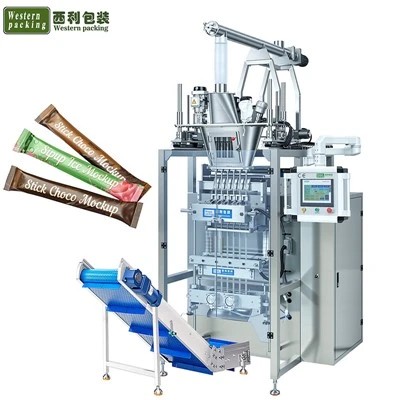
Now, let’s wrap this up. At the end of the day, troubleshooting a powder packaging machine that’s not dispensing correctly is all about starting with the small, obvious stuff, working your way up to bigger parts, and not panicking. You don’t need to be an engineer to fix most of these issues—with a cloth, a screwdriver, and a little patience, you can get your machine back to dosing perfect bags in no time. If you’ve gone through all these steps and you’re still stumped, don’t hesitate to reach out to us. We’re here to help, no hidden fees, no runaround—just actual solutions that get your line running again fast. So don’t let a finicky machine kill your production, we can get you sorted.
Liquid Packaging Machine REFERENCES
- Machinery Lubrication Magazine. "Troubleshooting Industrial Powder Processing Equipment." 2022.
- Packaging Digest. "Common Causes of Inaccurate Powder Dosing and How to Fix Them." 2021.
- American Society of Agricultural and Biological Engineers. "Guidelines for Calibrating Food Packaging Machinery." 2020.
Guangzhou Western Packing Co., Limited
Guangzhou Western Packing Co., Limited is one of the most professional powder packaging machine manufacturers and suppliers in China, also supports custom service. With abundant experience, we warmly welcome you to wholesale durable powder packaging machine at competitive price from our factory.
Address: No.3, Yilong street, Wulonggang, Zhongluotan Twon, Baiyun District, Guangzhou
E-mail: david@westernpacking.com
WebSite: https://www.westernpackingusa.com/
