Hey everyone! Let’s cut to the chase — I get so many questions from folks who use our glassware, or run cafes/bakeries, or even just folks at home testing new cocktail recipes: “Can I just pop this hot measuring cup (or a warm serving platter, or even a still-hot science beaker) right in the fridge? It’s just glass, right? What’s the big deal?” As someone who’s been working in the glassware supplier game for over a decade (I’ve got the calloused fingers and the shelf-stained apron to prove it), this is way more common than you’d think. Let’s break this down, no boring textbook jargon — just real talk, science, and stuff I’ve seen go south (or, let’s be real, shatter) over the years. Glassware

First, let’s remember what glass is, deep down. Most commercial glassware we make here (the stuff you’ll find in restaurants, labs, or on your kitchen counter) is soda-lime glass — super common, cheap, durable for everyday use, but with a weird quirk when it comes to temperature. Unlike stainless steel (which bends and flexes as it heats or cools) or even plastic (which can warp or melt), glass is brittle. When it heats up, it expands; when it cools, it contracts. The trick is rate — like, how fast that temperature change happens. If you heat a glass and then cool it down way too quickly, different parts of the glass expand and contract at totally different rates. Imagine: the outer layer of a hot measuring cup touches the cold fridge air first, so it shrinks fast. But the inside of that same cup is still warm, still expanded — so it pulls against the outer layer until… snap. A tiny crack, a full shatter, glass shards all over your leftover tiramisu. Not a fun Friday night if you were planning to take dessert to a friend, trust me.
Now, I’ve heard people say “but I do it all the time! I put hot soup mugs straight into the fridge to cool down — no issues!” Wait, let’s test that. Most mugs are thicker, right? They hold heat longer, so the temperature change is slower than a thin, lightweight beaker or a small shot glass. Also, mugs are usually used for holding hot liquids, so the interior is hot, but the exterior might just be warm, not scalding — so the delta (that’s “temperature difference” for anyone not wearing a lab coat) is smaller. If your mug is stoneware-adjacent, that’s even more durable, but if it’s our regular soda-lime coffee mug? Yeah, that’s a risk. I once had a regular who brought in a mug that’d been in the fridge 10 minutes, had a tiny crack on the side — she’d put it on the counter to pour cold water, and it split right there. She thought it was “just a thin crack,” but we told her to toss it (glass cracks are structural, no way to fix that — don’t even try super glue for food-use stuff, yuck).
Let’s talk lab glassware for a sec, because that’s where the rules get strict. We supply a lot of lab-grade borosilicate glass to local universities and biotech startups, and their rule is never — even warm (like 100°F/38°C) glass goes in the fridge, no exceptions. Why? Borosilicate is way more heat-resistant than soda-lime — it can go from super cold to 300°F (149°C) no sweat, but only if the temp change is slow. Labs use that glass for boiling solutions, so they have to let it cool gradually on a heat-resistant mat before even thinking about near-fridge temps. I once visited a lab that had a storage area specifically for “cooling glass” — big wooden shelves, nothing near cold air vents — because a technician skipped that step once, shattered a 1L beaker, and ruined a whole set of pH samples. They still have that shelf labeled “NO FAST COOL” as a reminder.
For home users, let’s make this relatable. Let’s say you baked a lasagna in our oven-safe glass baking dish, and it’s still piping hot. You want to stick it in the fridge to cool faster so you can reheat it tomorrow — what’s the right move? The worst thing you can do is set the hot dish directly on a cold fridge shelf (metal shelves are way colder than plastic, too — double whammy) or, worse, slide it into the cold fridge door compartment. The door is where cold air blasts in every time you open it, so that temp swing is brutal. Instead, put it on a thick wooden cutting board, a silicone baking mat, or even a folded kitchen towel — something that acts as a buffer between the hot glass and the cold surface. Let it sit for 20-30 minutes, until it’s just warm to the touch, then you can move it to the fridge. I’ve tested this with our baking dishes hundreds of times — done right, zero cracks. Done wrong, one shattering story I still tell at trade shows.
Wait, what about other types of glassware? We also make leaded glass for barware — fancy cocktail glasses, whiskey tumblers. That’s even more delicate. I can’t tell you how many bartenders have come to us with a shattered glass tumbler they tried to put a warm Old Fashioned (still warm from mixing hot simple syrup) into the fridge. Leaded glass has a different molecular structure, way more prone to thermal shock than even regular soda-lime. If a customer complains, we always ask: “Did you let that cool before putting it in the fridge?” More often than not, the answer’s yes, and that’s when we can give them a discount on a more thermal-resistant barware line we carry.
Another myth I hear: “If the glass says ‘oven-safe,’ it’s fridge-safe!” Nope, not always. Oven-safe glass means it can handle high, dry heat (like baking at 400°F), but that’s a dry temp. The fridge is wet, and also, the temp difference from oven heat to fridge cold is way bigger than the temp difference from room temp to oven heat. We tested one of our “oven-safe” baking dishes by putting it straight from a 450°F oven into a 37°F fridge — it shattered in 12 seconds. Oven-safe is for going from room temp to oven, not the other way around, and definitely not straight hot to fridge.
Now, why is this a big deal for someone like me, a glassware supplier? Because I hate when people get hurt. A shattering glass can cut you, and if it’s near food, you’re either wasting ingredients or dealing with a mess. Also, a lot of new home bakers or small cafe owners don’t know these rules — they think “glass is glass, right?” So when they buy our stuff and don’t use it right, it breaks, they’re frustrated, and I’d rather help them avoid that than replace 10 dishes a week. Last year, a small bakery in town ordered 50 of our glass tart pans and tried to put a hot baked tart into the fridge — shattered 20 pans in one night. We gave them a free demo and a guide to thermal care, and now they’re a repeat customer. That’s the stuff that matters, not just selling a product — making sure people use it the right way.
Wait, let’s address the exceptions, because there are always exceptions (but they’re really specific). If you have a glass that’s been sitting in the fridge for a while, completely cold, can you put hot liquid in it? Nope — same thermal shock rule, just reversed. I know, I know, you’ve probably done that too, but it’s risky. Even cold glass can shatter if you pour boiling water into it. I once had a customer who poured boiling tea into a cold glass cup, and it shattered on her counter — she thought her cup was defective, but it was just the temp swing. So even “reverse thermal shock” is a thing. The only time you can skip that buffer is if the glass is specifically labeled “thermal shock resistant” — like our lab-grade borosilicate line, or some high-end baking dishes that are tested to go from -40°F to 500°F. But those are the exception, not the rule.
Let’s wrap this up with a quick, no-BS checklist for anyone using glassware (especially our stuff):
- Don’t put any hot glass (even warm, like a soup mug) straight into the fridge. The temp swing is too fast for most commercial glass.
- If you need to cool a hot dish/glassware, use a buffer (wood, silicone, towel) first, let it cool for 20-30 minutes.
- Oven-safe ≠ fridge-safe — don’t mix hot oven temps with fridge cold.
- If you’re not sure, ask! We’re here to help, not just take your money.
Now, I get it — you’re busy, you don’t want to wait 30 minutes to cool a dish. But a few extra minutes is way better than cleaning up glass shards or replacing your favorite baking dish. For cafes and restaurants, this is even more important — shattered glass in a salad bar? That’s a health code violation, a customer complaint, and a huge headache. For home cooks, it’s avoiding a mid-week dinner disaster.
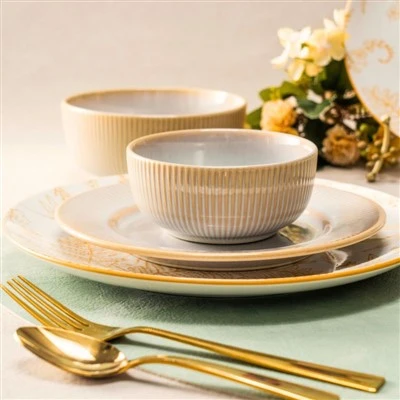
Speaking of: if you’re shopping for glassware (whether it’s baking dishes, barware, lab gear, or everyday mugs) and want to make sure it’s tough enough for whatever you throw at it — hot or cold — hit us up. We can help you pick the right line, answer any thermal care questions, and make sure you don’t end up with a shattered mess. No stuffy sales pitches, just someone who’s been in the game long enough to know what works (and what doesn’t).
Summer Dinnerware Set References:
- Corning Borosilicate Glass Technical Data, Corning Incorporated, 2022.
- Thermal Shock Resistance in Soda-Lime Glass, Journal of Non-Crystalline Solids, Vol. 357, Issue 12, 2011.
- Food Service Glassware Safety Guidelines, National Restaurant Association, 2023.
Wellwares (Shijiazhuang) Limited
Wellwares (Shijiazhuang) Limited is one of the most professional glassware manufacturers and suppliers in China, featured by quality products and good service. Please rest assured to wholesale customized glassware at low price from our factory.
Address: 12F, Huahai Universal Plaza, No.199 Xinhua Road, Shijiazhuang.
E-mail: chloecui@wellwares.com
WebSite: https://www.wws-ceramic.com/
