Hey everyone, it’s Jake from Bimetal Strips & Sheets – thanks for stopping by today. I get asked this question all the time, so I figured I’d break it down straight: are bimetal strips actually used in fire alarms? Spoiler alert – yeah, they are, and they’ve been a quiet workhorse in fire safety tech for decades, not some fancy new gadget. Let’s dive into how and why this little metal combo does what it does. Bimetal Strips & Sheets
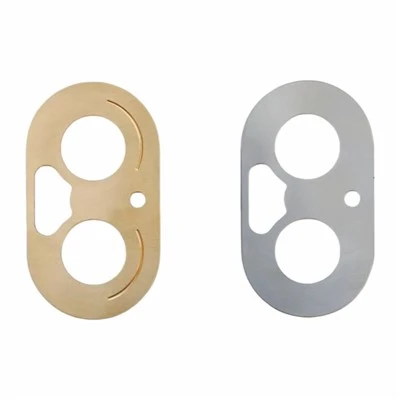
First, let’s keep it simple. A bimetal strip is basically two different metal sheets stuck together super tight at the factory – no gaps, just a solid bond. The trick is that each metal expands at a totally different rate when it heats up. Like, imagine one metal stretches way more than the other when you warm it up. That mismatch makes the whole strip bend, right? It’s that basic physics that powers a ton of everyday stuff, and fire alarms are one of the biggest uses I see for our bimetal products.
Wait, let’s not mix up fire alarms with smoke detectors – those two are different, and I get why people confuse ’em. Smoke detectors use sensors that pick up tiny smoke particles, but thermal fire alarms (sometimes called heat detectors) rely on temperature changes, and that’s where bimetal strips step in. Most residential and commercial fire alarm systems actually use both smoke detectors and heat detectors, but the bimetal ones are the unsung heroes for the heat side.
Let’s walk through how that works in a real fire alarm setup. A typical residential heat detector with a bimetal strip has the strip mounted in a little housing, usually connected to a simple electrical circuit. Normally, when it’s not hot, the strip stays straight – so the circuit stays closed, meaning power flows through, and the alarm doesn’t go off. When a fire starts, the temp rises fast. One side of the bimetal strip – say, brass – expands way more than the other, maybe steel. That makes the strip bend over time, until it touches a tiny contact pin in the detector. When that happens, the circuit breaks? Wait, no – wait, some setups work the other way: when the strip bends, it closes a circuit. Either way, it’s the trigger. Once that circuit is activated, it sends a signal to the fire alarm control panel, which sounds the siren, flashes the strobe, whatever the system’s set to do.
What’s cool is we can tweak the bimetal strip’s composition to set the exact temperature where it triggers. Like, a lot of residential detectors trigger at around 135°F, which is hot enough to mean a fire’s nearby but not so sensitive that a toaster popping its toast or a steamy shower would set it off. For commercial spaces, we make strips that trigger at higher temps, like 190°F, because factories or kitchens might have regular heat spikes that don’t need an alarm. That customization’s a big part of why our bimetal strips are so valuable here – we don’t just sell off-the-shelf stuff; we adjust the metal blend and thickness for the exact temp a client needs.
I’ve had customers tell me they used to have issues with their old heat detectors going off for no reason – like, when a heating system kicks up. But with properly calibrated bimetal strips, that’s way less likely. The gradual bending of the strip means it only triggers when the heat’s sustained, not a quick blip. That’s a huge safety win – false alarms not only scare people but also make them ignore real alarms later, which is the last thing you want in a fire.
Wait, let’s talk about durability too. Fire detectors need to last for years, right? You can’t have something that wears out after a couple of months. Bimetal strips are tough – we use high-quality metals that resist corrosion, so they don’t get ruined if a little dust or moisture gets in the detector housing. We test every batch of our strips for thermal cycling, so they bend and straighten thousands of times without breaking. That’s why they’re still used in so many places, even with all the new tech out there.
Is there a downside? I mean, bimetal heat detectors only work on heat, not smoke, so they’re usually paired with smoke detectors for full coverage. But that’s not a knock on the strips – it’s just how fire safety works. Smoke can spread faster than heat, but in some cases, like a closed closet where smoke might get trapped but heat builds up fast, the bimetal detector is the first to pick up a fire. That’s why you see ’em in attics, garages, and utility rooms – places where smoke might not reach a smoke detector right away.
Let me share a quick customer story to make this real. A few months back, a school district reached out to us because their old heat detectors were failing. They had a bunch of classrooms with high ceilings, and smoke detectors weren’t catching fires fast enough because smoke rises. They needed strips calibrated to trigger at 150°F, which is perfect for school spaces – not too high, not too low. We customized a batch, and they installed ’em in all the attic spots above the classrooms. A couple of weeks later, there was a small electrical fire in a light fixture up there. The bimetal strip triggered the alarm in 45 seconds – way faster than the smoke detector would have. The custodian put it out before it spread, and no one was hurt. That’s the stuff that makes my job worth it.
Now, a lot of people ask why we don’t use something else, like a thermocouple, in these detectors. Thermocouples work too, but they’re more expensive, they need more parts to work, and they’re not as reliable for simple, low-maintenance setups. Bimetal strips are cheap, easy to make, and they don’t need extra electronics – just the strip, a couple of contacts, and a circuit. For standard heat detectors, they’re the perfect fit. That’s why they’ve been the go-to for this use case since the 1950s, and we’re still supplying ’em because demand doesn’t drop.
As a supplier of bimetal strips and sheets, we work with a ton of fire alarm manufacturers, both big and small. Some need thousands of strips a month for residential units, others need custom, small batches for commercial projects like the school district. We don’t cut corners here – every strip we make goes through a thermal expansion test to make sure the bend rate is exact. A 1-degree difference in trigger temp can mean the difference between a working alarm and a false one, so we take that super seriously.
If you’re someone who’s in the fire alarm industry – whether you’re a manufacturer doing R&D, a installer replacing old parts, or a facilities manager testing new detectors – you know how important consistent, reliable parts are. Our bimetal strips are made from premium materials, bonded to perfection, and calibrated to the exact specs you need. No generic stuff here – we can adjust the metal ratio, thickness, even the finish to match your detector’s design.
So to wrap it up: yes, bimetal strips are definitely used in fire alarms, specifically the thermal heat detectors that are a key part of any fire safety system. They’re simple, durable, customizable, and have a track record of saving lives. If you’re looking for high-quality bimetal strips or sheets for your fire alarm projects, or if you want to chat about custom specs for your next product, hit us up. We’re here to help you get the right parts for the job, no matter how big or small.
Hydraulic Pump Parts References
- National Fire Protection Association (NFPA). (2021). NFPA 72: National Fire Alarm and Signaling Code.
- Cengel, Y. A., & Boles, M. A. (2019). Thermodynamics: An Engineering Approach (9th ed.). McGraw-Hill.
- Fire Protection Association. (2020). Heat Detectors: Types, Applications, and Performance.
Qingzhou Baiyun Anti-friction Products Co., Ltd.
With abundant experience, we are one of the most professional bimetal strips & sheets manufacturers and suppliers in China. Please rest assured to wholesale customized bimetal strips & sheets at competitive price from our factory. Welcome to contact us for quotation.
Address: Linglongshan North Road (south of the railway bridge), Economic Development Zone, Qingzhou City, Weifang City, Shandong Province
E-mail: byantifriction@gmail.com
WebSite: https://www.baiyunbimetal.com/
