If you’ve ever stared at a stack of old medical bills, canceled credit card statements, or junk mail with your name and address scrawled across it, you’ve probably wondered what to do with these papers before tossing them out. Tying them up in a trash bag isn’t enough—identity theft stats are pretty wild these days, and I’ve talked to tons of people who’ve found out the hard way that dumpster diving for personal info is way easier than it sounds. That’s where a personal document shredder comes in, and as a shredder supplier, I’ve helped hundreds of folks wrap their heads around why this tiny machine is actually a game-changer for anyone who values their privacy. Shredder
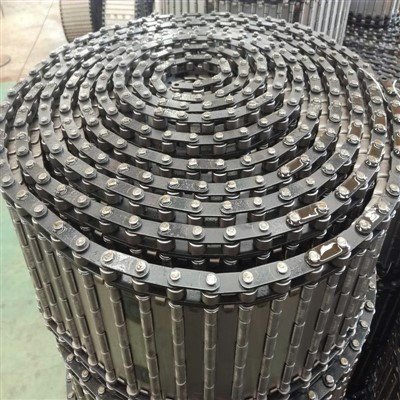
Let’s break this down like I would to a buddy over coffee. A personal document shredder is a compact, easy-to-use machine designed to cut up paper (and sometimes other small stuff like old credit cards or junk mail envelopes) into tiny, unreadable pieces. Unlike industrial shredders you might see at a big office, these are made for home use—they sit on your desk, fit under a counter, and don’t require a team of people to run them. Most run on regular wall power, no special wiring needed, and they’re way less intimidating to set up than they sound.
Now, what’s the point of it, exactly? When you throw a paper with your social security number or bank account info in the trash, it’s basically an open invitation to identity thieves. A quick sift through your garbage, a little patience, and they can piece together enough info to open a credit card in your name, drain a bank account, or even steal your tax refund. Shredders turn that sensitive paper into confetti-level bits that can’t be put back together. No more folding bills and shoving them in a drawer, only to find a random stranger could rifle through your trash and grab every detail they need.
Wait, but not all shredders are created equal, right? I see so many people buy the cheapest one at the grocery store only to have it jam after a week. Let’s keep it real: there are two main types of cuts you’ll want to know about for personal use. Cross-cut shredders cut paper both horizontally and vertically, turning a sheet into tiny rectangles. Micro-cut (sometimes called confetti-cut) shredders go even further, making pieces so small—like 1mm by 5mm—that it’s almost impossible to reassemble them. For most home users, a cross-cut shredder is totally fine if you’re just dealing with standard bills and statements, but if you’ve got really sensitive stuff like old tax forms, passport copies, or medical records, micro-cut is the way to go. I always tell customers to think about what they’re shredding most—if it’s junk mail and utility bills, cross-cut works; if it’s the stuff that could ruin your life if it falls into the wrong hands, spring for micro-cut.
And yeah, some shredders do more than just paper! A lot of the ones we sell can handle credit cards, old ID cards, even small staples or paper clips (though I always remind people to take out big staples if they can, it makes the machine last longer). That’s a huge bonus, because how many times have you cut up a credit card with scissors only to have it bend or not cut all the way? A shredder does it in one go, no mess.
Let me share a quick story that drives this home. A couple years back, a customer came to me panicking—she’d found out a neighbor had gone through her trash bag and grabbed a stack of old tax returns, and the neighbor was using that info to file a fake tax return under her name. She’d thought ripping the papers in half was enough, but it wasn’t. We set her up with a basic micro-cut shredder, and she’s told me since it’s saved her so much stress. She doesn’t have to stay up at night worrying about tossing a sensitive paper anymore—that’s the thing about these machines: they don’t just destroy paper, they give you peace of mind.
I know what some of you are thinking: “Do I really need a shredder? Can’t I just rip stuff up by hand?” Well, if you’ve ever tried ripping a 10-page stack of old bank statements, you know how tedious that is. By the time you’re done, your hands are sore, and you’ve still got a pile of half-torn scraps that someone could easily tape back together. A shredder does all that work in 10 seconds flat, and you don’t end up with a mess of scraps all over your floor. It’s convenience and security rolled into one tiny machine.
Another big misconception: these things are loud or hard to maintain. Yeah, the cheap ones at the dollar store are kind of noisy, but the ones we sell are designed for home use—they run at a normal level, not like a construction site. And maintenance is super simple: every few months, you just need to oil the blades (we include a little oil bottle with all our shredders, so no guesswork), and you should empty the bin before it gets full. Most personal shredders have a sensor that stops running if the bin is full, so you don’t accidentally jam the machine trying to stuff too much paper in there.
Wait, what about paper jams? I get it, jams are the worst. That’s why I always recommend looking for a shredder with a reverse function—if you feed too much paper in or get a jam, you just hit the reverse button, and it spits the paper back out. No need to manually pull out sheets and risk tearing a blade. All the shredders we carry have that feature, because I hate when a small problem turns into a big headache for someone who just wants to shred a few bills.
Let’s talk about who needs one of these, just to make it clear. If you work from home and handle sensitive client info, you definitely need one. If you’re a retiree getting tons of junk mail and old medical bills, yes. If you’re a parent who’s got kids’ school records with their social security numbers or birth certificates, absolutely. Even if you’re just a regular person who doesn’t want their info floating around, a personal shredder is worth every penny. It’s not a big investment, especially when you think about how much it costs to fix identity theft—credit monitoring, legal fees, time spent fixing your credit, it’s way more than a shredder.
I see a lot of people skip this step because they think “it won’t happen to me.” But stats don’t lie: the Federal Trade Commission says around 5.1 million people were victims of identity theft in 2022, and a big chunk of those cases started with someone getting their info from discarded mail or papers. That’s not something you can afford to brush off. A personal shredder is one of the simplest ways to protect yourself, and it’s way cheaper than the damage identity theft can cause.
Now, I know shopping for a shredder can feel overwhelming. There are so many brands, models, price points—how do you pick the right one? That’s where coming to talk to me helps. A lot of customers come in saying “I just need something basic,” and I walk them through what their actual needs are. If they’re only shredding junk mail and utility bills, a cross-cut shredder with a 5-sheet capacity is perfect. If they’ve got a lot of tax forms or credit cards, we’ll point them towards a micro-cut with a higher sheet capacity that won’t jam easily. We don’t push the most expensive model—we match you to what you actually need, because at the end of the day, this is about you staying safe.
Here’s another thing: a lot of people think shredders take up too much space, but personal models are tiny. Most are about the size of a toaster, so they’ll fit on a desk, a counter, or even a small closet shelf. You don’t need a whole office for this machine. And the bins are small, too—most hold between 5 and 10 gallons, so you can empty them once a week, depending on how much you shred.
I’ve also had customers tell me they used to feel guilty about just throwing away papers, like they were contributing to clutter. A shredder turns that clutter into a small, manageable pile of paper bits that can even be recycled, by the way. A lot of people don’t realize that shredded paper is totally recyclable, so you don’t have to feel bad about tossing it after you’re done. It’s a win-win: you protect your privacy and you’re still being eco-friendly.
Let me wrap this up straight: a personal document shredder isn’t a luxury. It’s a practical, affordable tool that keeps your personal info out of the hands of people who’d use it to hurt you. No more worrying about dumping your trash after getting a bank statement, no more wasting time ripping papers into tiny bits, no more stress about identity theft. All it takes is a small machine and a few minutes each week to shred your sensitive docs.
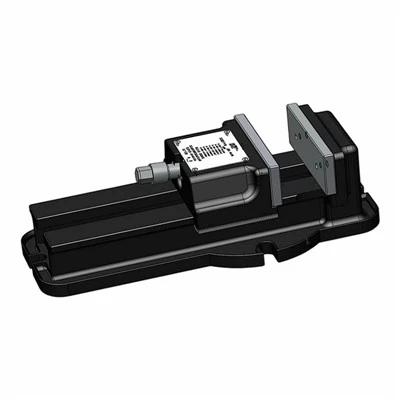
If you’re ready to stop leaving your privacy to chance, let’s chat. We can go over the different models, answer any questions you’ve got, and find the perfect shredder that fits your needs and your budget. Don’t wait until it’s too late—protecting your info is way easier than fixing the mess if something goes wrong.
Centrifuge References:
- Federal Trade Commission. (2023). Identity Theft 2022 Data Book. U.S. Federal Trade Commission.
- Privacy Rights Clearinghouse. (2022). Identity Theft: A Practical Guide for Victims. Privacy Rights Clearinghouse.
- Consumer Reports. (2023). Best Personal Shredders for Home Use. Consumer Reports.
Yantai Amho Machinery Co., Ltd.
Yantai Amho Machinery Co., Ltd. is one of the most experienced shredder manufacturers and suppliers in China. We have world-leading production equipment and strong manufacturing capabilities. Please rest assured to buy advanced shredder at competitive price from our factory.
Address: 201 SOUTH BUILDING, NO.3 SHIXUE ROAD, ZHIFU DISTRICT, YANTAI, CHINA.
E-mail: richard@amho.com.cn
WebSite: https://www.amhomachinery.com/
