If you’ve ever packed a bag of dried fruit snacks for a trip, you’ve probably stared at your carry-on before going through security, wondering: Can I bring this on a plane? As a dried fruit snacks supplier who works closely with travelers, frequent flyers, and even airline cargo teams, I get this question all the time—and the answer isn’t just a yes or no. It’s tied to real rules, how dried fruit is processed, and even a few hacks that make your snack prep way easier. Let’s break it down, from TSA guidelines to what makes our snacks different, and why you never have to leave your favorite dried fruits behind. Dried Fruit Snacks

First, let’s start with the basics: the Transportation Security Administration (TSA), which oversees security for all U.S. flights, has a clear rule for solid foods. For carry-on luggage, any solid food is allowed, no matter the quantity—you don’t have to stick to the 3.4-ounce liquid rule here. That means a big bag of our mixed dried fruit snacks, or even a bulk container of our single-ingredient dried mango, is totally fine in your carry-on. But here’s the small catch: if you’re flying internationally, each country has its own rules, and some of them are way stricter. For example, the EU’s food safety agency prohibits bringing most fresh or dried fruits from countries outside the Schengen Area, depending on where you’re traveling from. When I worked with a client who travels regularly between the U.S. and Germany, she used to stash our apple rings in her checked luggage to avoid any issues—checked bags don’t go through the same TSA checkpoint screening, so international rules for carry-on don’t always apply there.
Now, let’s talk about what makes dried fruit snacks different from fresh. Fresh fruit is a high-moisture, perishable item—its moisture content is usually 80% or higher, which is why it spoils fast. Dried fruit, on the other hand, goes through a dehydration process that removes almost all of that moisture, bringing it down to 15% or less for most shelf-stable products. That low moisture is a key detail, because it’s what makes dried fruit non-perishable and low-risk for pests or bacteria. Unlike fresh fruit, which can harbor hidden pests or pathogens that spread during a flight, dried fruit’s low moisture makes it a negligible risk. The USDA, which regulates food imports into the U.S., confirms that dried fruits with less than 18% moisture are exempt from most agricultural inspections, which is why our snacks are approved for both domestic and international carry-on (as long as you follow that country’s specific import rules).
I’ve seen too many travelers get tripped up by one common myth: “all dried fruits are the same when it comes to security.” That’s not true. Some dried fruit snacks have added ingredients, like syrups, honey, or even oils that get mixed in after dehydration. If a dried fruit product has added liquids (like a candied dried apricot coated in sugar syrup), it falls under the liquid/gel rule. That means you’d have to put it in a 3.4-ounce container and it has to fit in your quart-sized bag. But all of our dried fruit snacks are made with just fruit—no added syrups, no preservatives, no oils. That means they’re 100% solid, so they pass through security without any extra checks. I once helped a regular customer who was flying to Tokyo; she tried to bring a bag of candied dried cherries, which got held up because of the syrup coating, but switching to our unsweetened tart cherry snacks meant she could keep her original snack without any delays.
What about checked luggage? Is it even better to pack dried fruit there? For most people, yes, especially for long-haul international trips. Checked bags don’t go through the same security screening as carry-on, so you don’t have to worry about TSA even looking at it. But there are a few things to keep in mind if you’re checking dried fruit. First, make sure it’s properly sealed—our snacks come in resealable stand-up pouches, which are perfect for keeping moisture out during a long flight. If you use a plastic bag that’s not sealed, it might pick up odors from other items in your checked luggage (like shampoo or coffee beans). We always recommend our customers use the original packaging, which is designed to block light and odors, to keep your snacks fresh for the duration of the trip. Second, if you’re flying to a country with strict agricultural rules, even checked bags might have to go through an inspection. For example, when traveling to Australia, you have to declare all food items, and while dried fruit is allowed, if border control finds it, they’ll just let you keep it as long as it’s not from a restricted region. Our team tests all our products to make sure they meet Australian, EU, and Canadian standards, so that’s one less thing you have to stress about.
Now, let’s get into the “why” behind these rules, because it’s not just red tape. The TSA’s guidelines are designed to prevent dangerous items from getting on planes, but food rules also protect against agricultural pests that could damage local crops. For example, a dried fruit from a country with a fruit fly outbreak could have tiny larvae hiding in it—even though the dehydration process usually kills larvae, some border control agencies err on the side of caution. That’s why we’re always transparent with our customers about our sourcing: we work with farms in the U.S., Chile, and Southeast Asia that follow strict pest control protocols, so our dried fruits don’t carry any hidden risks. That’s a big difference from generic dried fruit snacks you might find at a gas station, which could be sourced from unregulated regions and get seized at the border.
I’ve also had customers ask about bringing dried fruit snacks through security at small regional airports, not just major hubs. The good news is, the rules are the same across all U.S. airports—TSA applies the same standards to every checkpoint, whether you’re flying out of a busy JFK or a tiny airport in Vermont. But I’ve noticed a small quirk: some airport screeners who work at smaller hubs might not be as familiar with dried fruit snacks, so if you get asked about them, it’s helpful to mention that they’re 100% fruit, no added liquids. I always tell our customers to keep a small sample bag of our snacks in their carry-on for times when they want to explain it quickly—it’s a tiny detail that can speed up your screening.
What about long flights? If you’re flying for 12 hours or more, dried fruit snacks are a great option, but are they safe? Let’s talk about storage during a flight. When you’re in the air, the cabin pressure and temperature are controlled, so as long as your dried fruit is sealed, it will stay fine. The only risk is if your pouch gets punctured in your carry-on, exposing the fruit to humidity. That’s why our packaging is made with heavy-duty laminated plastic, which is tear-resistant. I’ve even tested this myself: I packed a bag of our dried pineapple in my carry-on on a flight from New York to Singapore, and when I got there, the pouch was still sealed, and the pineapple was just as fresh as when I packed it.
Now, let’s address the exceptions. What if you’re bringing dried fruit for a child, or for a medical reason? The TSA has special rules for travelers with kids or medical needs: you can bring more than 3.4 ounces of any solid food (including dried fruit) that’s for a child, and you don’t have to put it in a quart-sized bag. We have a lot of parents who use our dried fruit snacks for their kids on flights, because they’re a healthier alternative to the sugary airplane snacks. I once got a note from a mom who said her son hated the granola bars on planes, but our dried strawberry snacks kept him occupied for the entire flight—no crumbs, no mess, and he loved the natural sweetness.
But here’s a thing you shouldn’t do: don’t bring homemade dried fruit. If you dried fruit yourself at home, it might not have the same low moisture content as commercial dried fruit, and it might have hidden contaminants. The USDA recommends that commercial dried fruit is tested for moisture and pathogens, which is why all of our products go through third-party testing before they’re sold. Homemade dried fruit might also have a higher moisture content, which could make it a problem at security—some screeners might mistake it for a liquid if it’s sticky.
So, to circle back to the original question: Can you take dried fruit snacks on a plane? The short answer is yes, as long as they’re commercially made, solid (no added liquids), and you check the rules for your destination. As a dried fruit snacks supplier, we design our products specifically for travelers—resealable, solid, made with just fruit, so you don’t have to worry about issues at security. Whether you’re packing a small bag for a domestic flight or a bulk container for an international trip, our snacks are compliant, fresh, and healthy.
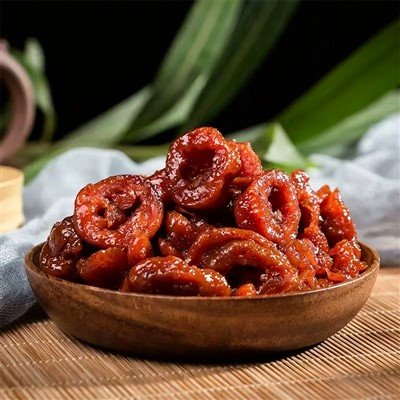
If you’re a frequent flyer, a family planning a trip, or a business traveler who wants a better snack option for your flights, we’re here to work with you. We offer bulk packages for travel companies, corporate travel departments, and individual travelers who want to stock up before their next trip. Our team can help you figure out the right size, packaging, and even the right type of dried fruit for your specific travel needs—whether you’re flying to a place with strict import rules, or just want a mess-free snack for a long flight. To talk about bulk orders, custom packaging, or even getting samples to test for your next trip, we’d love to connect.
Mango Peach Preserves References
Transportation Security Administration. (2024). Carry-On Bags: Food Items.
U.S. Department of Agriculture. (2023). Dried Fruit Import Requirements.
European Food Safety Authority. (2022). Food Safety Guidelines for Air Travel.
Australian Department of Agriculture, Fisheries and Forestry. (2024). Imported Food Rules for Passengers.
Gayafru Food (Hangzhou) Co., Ltd.
As one of the most professional dried fruit snacks manufacturers and suppliers in China, we have world-leading production equipment and strong manufacturing capabilities. Please rest assured to buy bulk high quality dried fruit snacks made in China here from our factory.
Address: 2nd Floor, Building 5, No.513-523 Shunda Road, Economic and Technological Development Zone, Linping District, Hangzhou City, Zhejiang Province, China
E-mail: shenhuafang216@foxmail.com
WebSite: https://www.gayafru.com/
