Hey everyone, if you’re here reading this, chances are you either work with dry type transformers daily, just got one installed at your facility, or maybe you’re on the hunt for a reliable supplier to hook you up. As someone who’s been in the dry type transformer game for over a decade now, I’ve seen firsthand how the number one mistake new operators make is assuming these bad boys are “set it and forget it.” Nope—they need regular TLC to keep humming along without popping up costly issues (or worse, taking your whole operations down). Today, I’m breaking down exactly how to maintain your dry type transformer, no fancy engineering degree required. Let’s dive in. Dry Type Transformer
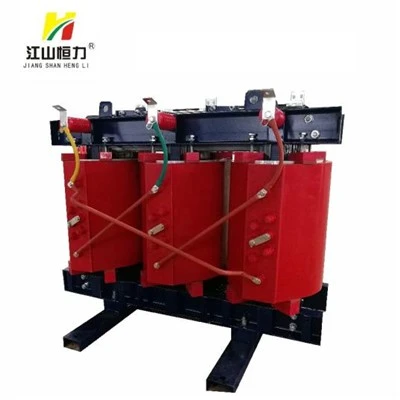
First off, for anyone who might be newer to the whole transformer world: dry type transformers are the ones that use air or gas for insulation instead of oil, right? That’s why they’re super popular in places like commercial buildings, hospitals, data centers, and even industrial warehouses where oil leaks would be a total disaster. But because they don’t have that insulating oil to hide problems, every little issue tends to show up faster—so staying on top of maintenance is non-negotiable.
Let’s start with the basics: regular visual inspections. I can’t tell you how many times I’ve gotten a call from a client panicking because their transformer started overheating, only to find out they never opened the cabinet to check for dust buildup. Dust is the enemy here, plain and simple. Dry type transformers rely on proper air flow to keep cool, and if dust, dirt, or even grime from nearby construction clogs the vents or builds up on the coils, that’s a one-way ticket to overheating. I recommend doing a quick visual check every month. What do you look for? First, open the access panels (make sure the power’s off and locked out, safety first!) and scan the coils. Any discoloration—like brown or black spots—could mean overheating or even insulation damage. Also, check the mounting hardware: are any bolts loose? Vibration from adjacent equipment can work them loose over time, which might throw off alignment or even cause parts to rattle loose. Don’t forget the ambient surroundings, either. Is there anything stored within 3 feet of the unit? Stuff like cardboard boxes, empty pallets, or even cleaning supplies can block air flow, not to mention create a fire hazard.
Next up, cleaning. Now, this isn’t just spraying water around (trust me, I’ve seen people do that, and it’s a terrible idea). How you clean your transformer depends on how dirty it is and where it’s located. If it’s in a clean indoor space like a data center, a yearly gentle cleaning is usually enough. But if it’s in a dusty warehouse, a manufacturing plant, or an outdoor setup (wait, yeah, some dry types are rated for outdoor use, though most are indoor), you might need to clean it twice a year. The right tools? A soft bristle brush, compressed air (set to low pressure—10 to 20 PSI max, you don’t want to bend or damage the thin coil windings), and a vacuum with a HEPA filter to suck up all the dust you dislodge. Avoid cleaning sprays unless they’re specifically rated for electrical equipment—those generic cleaning products can leave residue that attracts more dust over time, plus they might damage the insulation. And one more rule: always, always lock out and tag out the power before doing any cleaning or inspection. Safety isn’t optional here; transformers hold residual charge even after they’re turned off.
Once you’ve got the visual checks and cleaning down, let’s get into electrical testing. This is the stuff that keeps small issues from turning into big, expensive failures. The good news? You don’t need to do super complex testing every month, just stick to a schedule that works for your usage. If your transformer is part of a critical system (like a hospital or data center), quarterly testing is a must. For non-critical applications, twice a year is enough. What kind of tests? First, the insulation resistance test. This measures how well the insulation on the coils is holding up. You’ll use a megohmmeter for this—compare the readings to the manufacturer’s specs, and if the resistance drops below 50% of the baseline you got when the unit was new, that’s a red flag. Then there’s the turns ratio test, which checks that the voltage ratio between the primary and secondary coils is correct. If that’s off, it could mean a shorted turn or winding damage, which is a major problem. And don’t skip the temperature testing! Dry type transformers have temperature sensors built into most models these days (and if yours doesn’t, I always recommend adding them as a retrofit). Use a thermal camera or a contact thermometer to check the surface temperature of the coils, the core, and the busbars. Hot spots—areas that are 10°C or more hotter than the rest of the unit—are a sign of uneven current flow or insulation issues that need to be addressed pronto.
Wait, let’s not forget about the cooling system, because that’s literally half the job of a dry type transformer. Most units have either natural convection cooling (no fans, just air flow) or forced air cooling (fans that kick in when the temperature hits a certain threshold). If yours has fans, you need to check them regularly. Every quarter, turn the power off and spin the fan blades by hand to make sure they turn smoothly, no grinding or sticking. If they squeal or wobble, it’s probably time to replace the bearings. Also, check the fan motor wiring for fraying or loose connections. For natural convection units, make sure all the intake and exhaust vents are clear—like I said earlier, even a piece of paper stuck in a vent can cut cooling by 50% and cause overheating.
Now, what about when things go wrong? I get so many questions about common minor issues that people can fix on their own, instead of waiting to call an expert. Let’s run through a few: First, overheating alarms. If your transformer’s alarm goes off, don’t panic—but don’t ignore it either. First, check the surrounding area for blocked vents, then check if the fan (if you have one) is running. If the vents are clear and the fan’s working, it might be a sign that the load on the transformer is too high—so you might need to redistribute some of your equipment to other transformers. Another common issue: loose connections. Busbars (the metal bars that carry electricity between the transformer and your building’s panels) can loosen over time from vibration. If you notice a buzzing sound coming from the unit, that’s often loose connections. Shut off the power safely, check the busbar bolts, and tighten them to the manufacturer’s torque specs—don’t over-tighten, that can strip the threads or crack the busbars. And if you see any rust on the metal parts (like the cabinet frame or mounting brackets), wipe it down, apply a rust converter, and touch up with electrical-grade paint to prevent it from spreading and causing corrosion.
A quick note on older vs. new transformers. If you’ve got a dry type transformer that’s 20+ years old, the maintenance schedule might need to be more frequent. Older units often have less efficient insulation, or their components are wearing out faster, so inspections every 2 months and testing quarterly are a good idea. If you’re in the market for a new one, investing in a unit with advanced features like built-in temperature monitoring, dust-resistant coating, and smart connectivity (you can get alerts to your phone if something’s wrong) will cut down on maintenance work big time.
Wait, I need to address something real quick: a lot of people ask if they can skip maintenance to save money. Let’s do the math here. A minor repair for a small transformer might cost a few hundred bucks. If you skip maintenance and cause a major failure, you’re looking at replacing the entire unit (that could be thousands of dollars), plus downtime—like if a data center’s transformer goes out, they’re losing thousands per hour in lost revenue. Maintenance is an investment, not an expense.
Speaking of which, if you’re looking for a reliable dry type transformer that’s built to last and easy to maintain, I’ve got you. We’ve been supplying these units for all kinds of applications, from small retail spaces to large industrial facilities, and every one is designed with maintenance in mind—accessible panels, easy-to-test components, and clear, straightforward specs so you don’t have to guess what to do. If you’re tired of dealing with unreliable transformers or need to upgrade your current setup, hit us up to chat through your needs, compare models, and work out a plan that fits your budget.
Before I wrap this up, let’s recap the key points to make sure you don’t forget anything: 1. Do monthly visual checks (safety first, lock out power!) for dust, loose bolts, or blocked vents. 2. Clean annually (twice a year for dusty environments) with low-pressure air and HEPA vacuums. 3. Do electrical testing quarterly (or twice a year for non-critical systems) to check insulation resistance, turns ratio, and temperatures. 4. Maintain the cooling system: check fans regularly, keep vents clear. 5. Don’t ignore minor issues—address alarms, loose connections, or hot spots right away to avoid big problems later.
At the end of the day, dry type transformers are low-maintenance compared to oil-filled ones, but that doesn’t mean you can set it and forget it. Staying on top of these steps will keep your unit running smoothly for years, avoid costly downtime, and save you a ton of stress (and money) down the line.
If you have questions about maintaining your specific transformer model, need help troubleshooting an issue, or are in the market for a new dry type transformer, feel free to reach out and we can chat through all the details. No pushy sales stuff, just honest advice from someone who’s been in this field for a long time and knows how important reliable power is for your business.
Single Phase Pole Mounted Transformer References
- National Electrical Manufacturers Association. (2020). Dry-Type Transformer Maintenance Guidelines. NEMA Standards Publication TP 1-2020.
- Institute of Electrical and Electronics Engineers. (2019). IEEE Guide for the Operation and Maintenance of Dry-Type Distribution and Power Transformers. IEEE Standard C57.12.90-2019.
- Occupational Safety and Health Administration. (2022). Lockout/Tagout Procedures for Electrical Equipment. OSHA 3120-12R-2022.
Zhejiang Jiangshan Hengli Electrical Co., Ltd.
Zhejiang Jiangshan Hengli Electrical Co., Ltd. is one of the most professional dry type transformer manufacturers and suppliers in China, featured by quality products and low price. Please rest assured to wholesale cheap dry type transformer in stock here and get pricelist from our factory. Customized orders are welcome.
Address: 212 Fuzhu Street Sidu Town, Jiangshan, Zhejiang, China
E-mail: henglijs@foxmail.com
WebSite: https://www.henlypower.com/
