As a graphite rod supplier, I get a lot of questions from potential customers: “What even is a carbon graphite rod, and why would I need one?” It makes sense—graphite isn’t a material most people encounter in their daily lives, outside of the pencil marks left on notebook paper. But that everyday graphite is nothing like the high-performance carbon graphite rods we manufacture in our shop. These are precision-engineered components, built to withstand extreme conditions that would break down metal, plastic, or even other forms of carbon, and they play a critical role in industries you interact with regularly, even if you don’t realize it. Graphite Rod
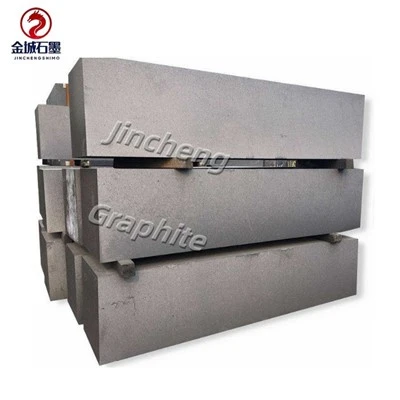
Let’s start with the basics, so we’re on the same page. Carbon graphite rods are made from a mixture of petroleum coke, coal tar pitch, and other carbonaceous materials, baked at temperatures upwards of 2,500°C (4,500°F) in an inert environment—no oxygen, so the material doesn’t burn. That high-temperature treatment fuses the carbon particles into a solid, dense, rigid rod with unique properties: it’s a terrific thermal conductor, an excellent electrical conductor, chemically inert to most acids and bases, and it can stand up to heat that would turn steel into molten liquid. The manufacturing process also lets us tailor the density, grain size, and porosity of the rod to fit specific uses, which is why they’re so versatile.
Now, let’s dive into the actual uses, because this is where most people’s eyes start to glaze over—but these applications matter, and they rely entirely on the quality of the graphite rod you choose. One of the biggest industries we supply is aluminum production. When you melt bauxite ore to make aluminum, you can’t use metal electrodes or parts to hold the molten metal: the high temperatures (around 950°C for aluminum smelting) would corrode and melt steel, and the chemical reaction between molten aluminum and metal would contaminate the final product. Carbon graphite rods solve this problem. They act as electrodes in the Hall-Héroult process, the standard method for primary aluminum production. The graphite conducts the electricity needed to split the alumina from the bauxite, and its chemical inertness means it doesn’t react with the molten aluminum or the electrolyte solution. Even better, graphite’s high thermal conductivity helps maintain the constant temperatures required for the smelting process, reducing energy waste. Last year, we supplied rods to three aluminum smelters in the Pacific Northwest, and their maintenance teams told us switching to our higher-density graphite rods cut their electrode replacement time by 15%—that’s a big win for a plant running 24/7.
Next, the steel industry. Wait, you might think steel is made with metal electrodes, but that’s not the case for specialty steel production, or for graphite’s role in refining. Electric arc furnaces (EAFs) are used to make steel from scrap metal, and their core components are graphite electrodes—large, cylindrical graphite rods that conduct electricity through the scrap to generate the heat needed to melt it into steel. These electrodes have to endure temperatures over 3,000°C, extreme mechanical stress as they’re fed into the furnace, and constant exposure to the furnace’s flue gases. Poor-quality graphite rods will crack, erode too quickly, or break mid-furnace run, costing a steel plant thousands in downtime. We work with a dozen mid-sized steel mills across the Midwest, and one of our long-term clients told us that before they switched to our rods, they were replacing electrodes every 3 weeks; now they go 6 weeks between replacements, saving them over $200,000 a year in labor and material costs. Even in traditional blast furnaces, graphite rods are used in thermocouple protection tubes—devices that measure the temperature of molten iron. Metal tubes can’t stand up to the intense heat and abrasion of molten iron, so a graphite rod lined with a ceramic coating is the only reliable option.
Moving to another under-the-radar use: chemical processing. If you’ve ever had a dose of hydrochloric acid or used a chemical sunscreen, there’s a good chance it was made using equipment that relies on carbon graphite rods. Chemical manufacturing often uses corrosive acids, bases, and solvents that eat through metal, plastic, and even many ceramics. Graphite is inert to almost all of these chemicals, so we machine our rods into heat exchangers—devices that transfer heat between two substances without letting them mix. In chemical plants, graphite heat exchangers are used to cool reactive chemicals, concentrate solutions, and recover unused solvents. Unlike metal heat exchangers, graphite doesn’t react with sulfuric acid, nitric acid, or other common industrial chemicals, so they last 5 to 10 times longer than metal alternatives. We also supply smaller, solid graphite rods for filter supports and agitator shafts in batch chemical reactors—parts that need to spin through corrosive fluids without wearing out. A specialty chemical manufacturer in Texas reached out last year because their previous graphite rods from a low-cost supplier were eroding after just 2 months of use; our high-purity, fine-grained rods lasted over a year in the same application.
Then there’s the energy sector, which is booming right now, and graphite rods are a key part of renewable energy infrastructure. For solar energy, specifically the production of silicon wafers used in photovoltaic panels. Making high-purity silicon for solar panels requires heating silica sand to temperatures over 1,400°C to melt and purify it. Graphite rods act as crucible liners and electrodes in this process—they can handle the high heat, and they don’t introduce impurities that would make the silicon unusable for solar panels. A single 500MW solar farm uses millions of silicon wafers, which means hundreds of thousands of graphite rods are consumed during their production. For nuclear energy, graphite rods have a long history as moderators in graphite-moderated nuclear reactors (like the RBMK reactors used in Chernobyl, though modern reactors use more advanced graphite blends). The graphite slows down neutrons to sustain the fission reaction, and its ability to withstand radiation and high temperatures makes it ideal for this role. Even in the oil and gas industry, graphite rods are used in downhole tools, where they act as sensors for temperature and pressure. The extreme heat (up to 200°C) and pressure miles below the Earth’s surface would damage electronic components encased in metal, so a graphite rod with a built-in thermocouple provides reliable, long-lasting readings without failing.
I’d be remiss not to mention the smaller, but no less important, uses of carbon graphite rods—parts that go into everyday items, but you never see them. In the automotive industry, graphite rods are used in fuel injectors, where they act as seals and valve components. Gasoline and diesel fuels are corrosive, and graphite’s inertness means it doesn’t degrade over thousands of hours of engine operation. In the electronics industry, graphite rods are used in electrical contacts for high-power applications, like circuit breakers and relays. They conduct electricity well, resist arcing (the spark that happens when current jumps a gap), and don’t wear out as quickly as copper or silver contacts. We even supply small graphite rods to custom metalworking shops for EDM (electrical discharge machining)—a process that uses an electrode (often graphite) to cut intricate shapes out of hard metal, like titanium or tool steel. EDM is used to make everything from surgical implants to jet engine parts, and graphite is the preferred electrode material because it’s light, machinable into complex shapes, and erodes evenly during the cutting process.
Now, let’s talk about why the quality of the carbon graphite rod matters so much—because not all graphite is created equal. Cheap graphite rods, often made from low-grade petroleum coke and baked at too low a temperature, will have inconsistent density, porosity, and strength. They might work for a low-heat, low-stress application, but they’ll fail fast in a demanding environment. That’s why our supplier background matters: we use premium raw materials, control every step of the manufacturing process (from mixing the carbon paste to the final machining of the rod), and test every batch for density, electrical conductivity, and chemical purity. We work with customers to tailor rods to their exact needs—whether they need a high-density rod for aluminum smelting, a porous rod for heat exchangers, or a fine-grained rod for EDM electrodes. No two applications are identical, and we don’t sell a one-size-fits-all graphite rod.
If you’re reading this, chances are you’re either looking to replace existing graphite components that keep failing, or you’re specifying materials for a new project and need a reliable, durable solution. Whether you’re a plant manager at an aluminum smelter, a chemical engineer designing a new production line, a solar panel manufacturer scaling up production, or a custom machinist needing EDM electrodes, our team has the expertise to help you choose the right carbon graphite rod for your needs. We’ve worked with small businesses and large corporations alike, and we prioritize long-term partnerships over one-off sales—because we know when your components work, our business works.
If you’re ready to learn more about how our carbon graphite rods can improve your process, reduce downtime, and lower your operating costs, we encourage you to reach out for a consultation. Our team can answer questions about material properties, custom machining, and lead times, and we can even provide sample rods for testing in your specific application. Don’t settle for underperforming graphite parts that cost you money in the long run—connect with us to find the right carbon graphite rod for your operations today.
Graphite Mold References:
- Donnet, J.B., & Ansar, M. (2002). Carbon Graphite Materials for Industrial Applications. CRC Press.
- US Department of Energy. (2021). Graphite Applications in Energy Systems. Office of Energy Efficiency and Renewable Energy.
- Miller, J.D. (2019). The Role of Graphite in Primary Aluminum Production. Journal of Metals, 71(12), 4521-4528.
- World Nuclear Association. (2022). Graphite in Nuclear Reactors. World Nuclear Association Technical Brief.
- Smith, P.F. (2020). Corrosion Resistance of Carbon Graphite in Chemical Processing. Corrosion Science, 167, 108452.
Huixian Jincheng Abrasive Mold Factory
As one of the most professional graphite rod manufacturers and suppliers in China, we have world-leading production equipment and strong manufacturing capabilities. Please rest assured to buy durable graphite rod for sale here from our factory. Quality products and reasonable price are available.
Address: Mengzhuang Town, Huixian City, Henan Province
E-mail: graphite.jc@gmail.com
WebSite: https://www.graphite-jc.com/
