Hey everyone, let’s talk about scrambled eggs – the ultimate lazy meal that’s either super basic or surprisingly gourmet, depending on what you throw in. I’m part of a small, no-fuss seasonings supplier, and let me tell you: most people are way too casual about their scrambled eggs. They just crack ‘em in a pan, salt at the end, and call it a day. But here’s the thing – scrambled eggs are like a blank canvas, and the right seasonings turn “eh” into “holy crap, I could eat this every night.” Today I’m breaking down what actually works, why it works, and how to skip the weird, overcomplicated stuff that never tastes right. Seasonings
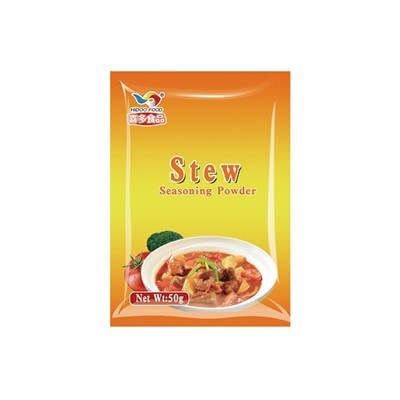
First, let’s get one thing straight: I’m not here to sell you some fancy, 10-ingredient “scrambled egg blend” that has powdered broccoli and who knows what else. That’s just marketing fluff. All the best seasonings for scrambled eggs are either pantry staples that most of you already have, or simple, high-quality stuff that adds a layer of flavor without overpowering the eggs’ creaminess. Eggs have this mild, buttery base (especially if they’re fresh from a local farm, which we actually source some seasonings to pair with, but that’s a side note) so you don’t need to fight that. You want to complement it, not mask it.
Let’s start with the basics, because everyone uses salt, but 90% of people add it wrong. Wait, no – let’s clarify: regular table salt? Fine, but kosher salt or sea salt flakes give a better, slower melt, so you don’t end up with that weird, grainy patch at the bottom of your pan. But here’s the science bit: salt actually breaks down the eggs’ proteins a little before cooking. If you add salt right when you crack the eggs, the proteins start to loosen, which makes the eggs fluffier and more tender. If you wait until they’re done, the salt just sits on top and doesn’t do half the work. That’s a game changer. I’ve seen so many home cooks skip this step, and their eggs come out dense – not cool.
Next, pepper. Not the pre-ground stuff that’s been sitting in your cabinet since 2019, either. Freshly cracked black pepper is non-negotiable. It has that warm, sharp kick that cuts through the eggs’ richness. The pre-ground stuff loses its essential oils within a few weeks, so it just tastes like dusty nothing. We stock whole black peppercorns in small, refillable tins for exactly this – people buy ‘em, crack ‘em fresh for eggs, and then use ‘em for steak later. Win-win. If you’re feeling adventurous, white pepper is great too – it’s milder, less fruity than black, so it doesn’t compete as much. Perfect for if you’re making more delicate eggs, like for a breakfast sandwich where you don’t want speckled pepper flakes all over.
Now, let’s move to stuff that’s a step up, not random. Garlic is a big one, but again, do it right. I see people throwing raw garlic into the egg mix and then burning it in the pan – that’s a surefire way to make your eggs bitter. Instead, you can use two methods: either a tiny bit of garlic powder (not garlic salt – we’ll get to that) that mixes evenly into the raw eggs, or sauté a minced clove super gently in butter before you cook the eggs, then scrape it out. That way you get that subtle garlic flavor without the burnt aftertaste. Pro tip: don’t overdo garlic. A ¼ teaspoon of powder for two eggs is enough. Any more and it’s like eating garlic bread with eggs – not bad, but not the balanced meal you want.
Herbs are where you can have fun, but stick to ones that don’t get mushy. Dried herbs work, but fresh is obviously better – just add ‘em at the end so they don’t lose their bright flavor. Chives are my go-to. They’re mild, onion-y, and add that little pop of color that makes your eggs look restaurant-worthy. I keep a bunch in my fridge just for scrambled eggs – chop ‘em up, toss ‘em in right before you take the pan off the heat, and boom, instant upgrade. Parsley is another good one – flat-leaf parsley, not curly, which is more for garnish. It’s earthy, not too strong, and pairs really well with salt and pepper. If you like a little more bold, dried oregano? Wait, hear me out. A tiny pinch of dried oregano (like ⅛ tsp) gives the eggs that hint of Italian flavor, perfect if you’re making eggs for a breakfast pizza or adding them to a wrap. It’s not for everyone, but it’s a great secret weapon.
Wait, what about stuff that’s a little unexpected but works? Let’s talk about nutritional yeast. If you’re into vegan eggs or just want a cheesy flavor without actual cheese, nutritional yeast is chef’s kiss. It has that umami, slightly nutty taste that makes scrambled eggs feel indulgent. We stock nutritional yeast flakes because they’re way finer than the big granules you might see at the health store, so they mix evenly into the eggs instead of clumping. A tablespoon for four eggs is perfect – adds that “cheesy” flavor without any dairy. And no, it doesn’t make the eggs taste like yeast, I promise.
Now, let’s cover the stuff you should avoid. Garlic salt, onion salt, celery salt – these are just salt with added flavor, and most of them have anti-caking agents that make your eggs grainy. Also, pre-made “egg seasonings” from the grocery store – they usually have sugar, which makes the eggs brown too fast and tastes weird. And don’t get me started on paprika unless it’s smoked paprika. Regular paprika is bitter and has no flavor, but a tiny bit of smoked paprika (⅛ tsp) adds a smoky depth that’s amazing – just make sure it’s sweet smoked paprika, not hot, unless you want a kick.
Wait, let’s test some combinations, because I know you want concrete examples. Let’s say you’re making classic scrambled eggs for breakfast: salt, fresh black pepper, a handful of chives. Done. Simple, perfect. If you’re making a breakfast burrito, add a pinch of garlic powder and a tablespoon of nutritional yeast. That makes the eggs hold up better to the fillings, and adds flavor so you don’t need extra sauce. If you’re doing something fancier, like eggs on toast, add ¼ tsp of dried dill. Dill with eggs is underrated – it’s fresh, a little tangy, and goes so well with avocado on toast. I swear, that combination changed my weekend brunch game.
Also, a quick note on how to use seasonings properly. Don’t overcrowd the mix. For two eggs, you really only need ⅛ to ¼ tsp of salt, a few grinds of pepper, and one extra seasoning. Any more and you’re masking the eggs, which is the star here. Oh, and when you add herbs, add them at the end. If you cook chives in the pan, they get slimy and lose their flavor. Same with fresh parsley – toss ‘em right before serving. Dried herbs can go in with the eggs, just a tiny pinch.
Now, let’s be real – as a seasonings supplier, we get a lot of people asking for “the best blend for scrambled eggs.” Here’s our thing: we don’t sell a pre-made blend, because everyone’s taste is different. Some people hate garlic, some love dill, some are all about that cheesy nutritional yeast. So instead, we sell individual, high-quality versions of all the stuff I mentioned – whole peppercorns, kosher salt, garlic powder, chives (dried and fresh, if you’re local), nutritional yeast, smoked paprika. No weird fillers, just pure flavor. That’s why we’re different from the big brands – we don’t force you to buy a bunch of stuff you don’t need, we give you the good stuff to build your own perfect eggs.
Wait, let’s circle back to the science, because that’s what makes this not just a list, but actual knowledge. Scrambled eggs are all about protein coagulation. When you add salt early, it breaks down the egg’s protein strands, so they form smaller, softer curds instead of big, rubbery ones. That’s why the order matters so much. Fresh pepper has volatile oils that don’t survive being cooked for long, so using pre-ground is a waste. Herbs add aromatic compounds that pair with the eggs’ fatty acids – that’s why chives work, because their onion compounds mix well with the fat in the eggs. Nutritional yeast has umami compounds that enhance the eggs’ natural savoriness, which is why they taste like cheese without adding cheese. This isn’t just random, it’s chemistry that works for scrambled eggs.
I’ve seen so many people try to make “fancy” scrambled eggs with truffle oil or something, and it just tastes overpowering. Truffle oil is great on pasta, not on eggs – it masks the eggs’ flavor. Stick to the seasonings that complement, not replace, the eggs. That’s the key. Our customers tell us that switching from pre-ground pepper to whole cracked changed their eggs, and that using kosher salt instead of table salt made them fluffier. It’s the little things that make a huge difference.
Let me also address some common mistakes. One: adding milk or cream to scrambled eggs. Wait, no, that’s not a seasoning, but it affects how seasonings work. Milk can make eggs watery, so if you’re using milk, add the seasonings a little more. Two: overcooking the eggs. No matter how good your seasonings are, if your eggs are dry and rubbery, nothing will fix that. Low heat, stir gently, take them off the heat right when they’re just set – they’ll keep cooking in the pan a little longer. Three: using old seasonings. If your spices are more than a year old, they’re basically flavorless. We recommend replacing your dried herbs and spices every 12 months for this exact reason. Fresh ones taste way better.
So, what’s the takeaway here? Scrambled eggs are way more versatile than you think, and the right seasonings can turn a 5-minute meal into something that feels special, without any extra work. You don’t need fancy blends or weird ingredients – just high-quality versions of the stuff you already use, used the right way. Salt at the start, fresh pepper, add one extra seasoning that fits your vibe, and you’re golden.
If you’re someone who wants to experiment more, we’ve got options. We do small-batch, tested seasonings that are perfect for eggs, and we’re always here to help if you’re not sure what to try. Whether you’re making a weekday breakfast or a weekend brunch for friends, the right seasonings make all the difference. If you’re a restaurant or a food service place looking for consistent, high-quality seasonings that work for scrambled eggs (and other dishes too), hit us up to chat about what you need. We’re not the big corporate guys who push a million products – we’re here to give you the stuff that actually works, because that’s what we care about.
Don’t overcomplicate it. Next time you make scrambled eggs, skip the pre-ground pepper, grab the whole ones from your cabinet, add a little salt right to the raw eggs, and toss in some chives. You’ll be shocked how much better they taste. And if you want to level up, try the nutritional yeast or a tiny bit of smoked paprika. Trust me, your eggs will thank you.
Dairy Flavors References
- McGee, H. (2004). On Food and Cooking: The Science and Lore of the Kitchen. Scribner.
- The Spruce Eats. (2023). The Best Seasonings for Scrambled Eggs, According to Chefs. Retrieved from spruceeats.com
- Food & Wine. (2022). 7 Seasonings That Will Make Your Scrambled Eggs Taste Amazing. Retrieved from foodandwine.com
- Agricultural Research Service. (2021). Flavor Compounds in Eggs and Pairing with Seasonings. U.S. Department of Agriculture.
Qingdao HiDoo Food Ingredients Co., Ltd.
We’re well-known as one of the leading seasonings manufacturers and suppliers in China, also support customized service. Please feel free to buy bulk high quality seasonings at low price from our factory. For quotation and free sample, contact us now.
Address: No. 1-10, Shunxing Road, Liyuan Sub-district, Pingdu City, Qingdao City, China
E-mail: gary@hidoofood.com
WebSite: https://www.hidooflavour.com/
