Hey everyone, let’s cut to the chase: if you’re running a factory, fire safety probably isn’t the first thing you think about when ordering new windows. But wait—what if I told you that fire-resistant windows could actually be a game-changer for your production floor? I’m from a fire-resistant window supplier, and I get it—factories are messy, fast-paced, and you’re probably focused on output, not window ratings. But let’s break this down like we’re chatting over coffee, no corporate jargon, just real talk. Fire-Resistant Window
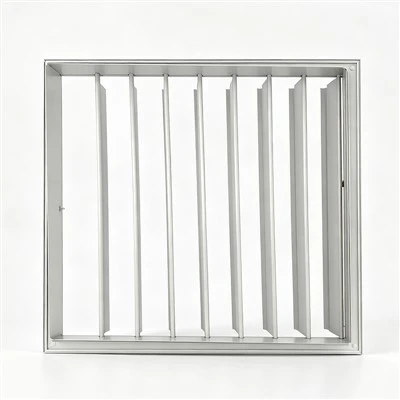
First off, let’s clear up the basics. A lot of folks mix up fire-resistant windows with regular windows that “hold up a little longer” in a blaze. Nope, that’s not how it works. Fire-resistant windows are tested and certified to do two key things: stop flames and smoke from seeping through for a set amount of time (usually 60, 90, or 120 minutes) and keep their surface temperature low enough that they don’t ignite anything on the other side. For factories, that’s huge because most industrial fires spread fast—think faulty wiring in a machinery bay, a chemical spill near a storage area, or even overheated welding gear left overnight. Regular windows crack in like 10 minutes under heat, letting flames jump from one section of the factory to another. That’s how a small fire becomes a total loss, which no one wants to deal with.
Now, let’s get specific to factories. Why would a regular window fail? Let’s say you have a warehouse with separate storage zones: one for flammable solvents, another for cardboard boxes, and a third for electronics. If a spark hits the solvent zone, a regular window between them does nothing to block the heat. Within minutes, the cardboard zone goes up, and suddenly you’ve lost half your inventory. Fire-resistant windows? They form a solid, heat-resistant barrier—some even have a layer of intumescent glass that swells when heated, blocking the gap between the glass and frame. That’s the kind of thing that lets your team evacuate safely, and gives fire crews time to contain the blaze before it spreads.
But wait, I know what you’re thinking: factories are harsh on windows. Heavy machinery moving, forklifts backing into them, dust and grime everywhere. Are fire-resistant windows tough enough? Short answer: yes. Modern ones are built the same way as impact-resistant windows you might see in a warehouse, but with that extra fire shield. We’ve had clients that run 24/7 manufacturing lines where dust is a constant issue, and their fire-resistant windows still check out on inspections year after year. Sure, you can’t treat them like a hockey puck, but they’re not delicate like a storefront’s glass windows. They’re made for industrial environments—sturdy frames, scratch-resistant glass, seals that don’t break down from oil or cleaning chemicals.
Another common question: are they expensive? I’m not gonna lie, upfront cost is a little higher than standard vinyl or aluminum windows. But here’s the math that matters: factory fires cost an average of $82,000 per hour in downtime, according to OSHA. If a fire is stopped in its first 30 minutes instead of 2 hours, that’s $1.2 million in savings right there. Plus, most insurance companies give a discount on premiums if you have certified fire-resistant systems in place. We’ve had a client in the food processing industry (they handle lots of grease, which is a fire risk) switch out their old windows and saw their insurance go down by 12% annually. That pays for the window difference in less than two years.
Now, where in a factory should you actually use these windows? It’s not like you need to replace every single one. Focus on the high-risk spots. First, any partitions between storage areas—especially flammable materials, chemicals, or bulk goods. Then, the walls around control rooms, electrical panels, and server rooms. If a fire breaks out in the production floor, you don’t want your control center going up too. Also, exterior windows near loading docks where deliveries of flammable materials happen. Those spots are where a fire is most likely to start, so putting fire-resistant windows there is smart.
Wait, let’s address a myth I hear all the time: “Our factory is too big, fire-resistant windows won’t make a difference.” No, size doesn’t matter. Even a 10,000 sq ft factory with multiple sections can be compartmentalized with fire-resistant windows to slow spread. It’s like putting up fire stops between rooms in a house—same idea, just industrial grade. We installed a set of 120-minute fire-resistant windows for a textile factory last year; they had three separate production lines, and when a small fire broke out in Line 1, the windows between lines kept it from reaching Line 2 and 3. They only lost half their production instead of the whole year’s stock. That’s the kind of win no one talks about, but it’s what keeps factories open.
Another thing: code requirements. I’ve had a few clients come to me after an inspection where they got a notice to upgrade their windows. A lot of industrial building codes (both local and national) now mandate fire-resistant assemblies for certain sections of factories, especially those handling hazardous materials. If you skip that, you could face fines, or worse, your insurance won’t cover a fire claim because you didn’t meet safety standards. It’s not just a “nice to have” anymore—it’s often required.
Now, let’s get real about installation. You can’t just swap a regular window for a fire-resistant one in an hour. It needs to be installed correctly, with the right sealant around the frame, and certified to match the fire rating. That’s why you should work with a supplier that specializes in industrial fire solutions, not someone who sells standard windows. We work with industrial contractors who know exactly how to fit these into factory walls, even if they’re custom sizes for old buildings. A lot of older factories have weird window openings, so custom fabrication is key. We can make fire-resistant windows to fit any size, from small office partitions to large wall panels for warehouse fronts.
Wait, what about ventilation? Factories need airflow for things like dust extraction or temperature control. Can fire-resistant windows still work with that? Absolutely. We make operable fire-resistant windows that open and close just like regular ones, so you get the ventilation you need, but if a fire alarm goes off, they lock automatically. That’s a feature a lot of clients love—no need to choose between safety and airflow. For factories that run hot and need constant fresh air, that’s a big plus.
Let me throw in a quick story to make this relatable. A couple years back, we had a client in the metal stamping industry. They had a fire that started when a metal part got stuck in a press, overheated, and caught the nearby cardboard packaging. The fire spread fast towards the storage area with flammable lubricants. But the windows between the press bay and storage were the 60-minute fire-resistant ones we installed. Firefighters arrived in 20 minutes, and the fire never crossed that window barrier. If they’d had regular windows, the fire would’ve hit the storage area, and they would’ve lost $500k in materials plus 2 weeks of downtime. Instead, they only lost the one press part, and their insurance went up barely anything that year. That’s not a sales pitch—that’s a real thing that happened to a shop just like yours.
Now, I know some of you are thinking, “We’ve been running this factory for 20 years with regular windows, why change now?” Let’s be honest: risks change. New equipment, new materials, even new employees who might not be as trained in fire safety as your old crew. Adding fire-resistant windows is a low-lift, high-reward upgrade. It’s not like you have to rip out all your walls or rearrange your whole production line. Just target the high-risk areas, and you’re way ahead of the game.
So, should you use fire-resistant windows in your factory? The short answer is: yes, if you care about stopping fires before they spread, saving money on insurance and downtime, and keeping your team safe. They’re not just for big corporations or fancy office buildings—they’re for every factory that has anything worth protecting.

If you’re ready to check if your factory could benefit from swapping out some windows for fire-resistant ones, or just want more details on ratings, sizes, or installation, reach out to us. We’ll walk through your layout, point out the spots that matter most, and give you a straight quote no hidden fees. No pushy sales stuff, just real answers for factory owners who just want to keep their business running.
Thermal Break Aluminum Doors and Windows References:
- Occupational Safety and Health Administration (OSHA). Fire Protection in Manufacturing Facilities.
- National Fire Protection Association (NFPA). Standard for Fire Resistive Windows and Doors.
- Factory Mutual Global. Industrial Fire Protection Loss Data Report.
- U.S. Small Business Administration. Cost of Industrial Business Interruption Due to Fires.
Renqiu Zhongsheng Metal Products Co., Ltd.
Renqiu Zhongsheng Metal Products Co., Ltd. is one of the most professional fire-resistant window manufacturers and suppliers in China, featured by quality products and low price. Welcome to wholesale advanced fire-resistant window made in China here and get pricelist from our factory. Customized orders are welcome.
Address: Liuzhuang Village, Xinzhongyi Town, Renqiu City, Cangzhou City, Hebei Province
E-mail: info@zsaluminum-china.com
WebSite: https://www.zsaluminum-china.com/
