Hey there, it’s your go-to supplier for all things dried black fungus and elm ear here – and today we’re answering one of the most common questions I get from first-time buyers: Do these ingredients actually expand a lot when soaked? Spoiler alert: Yes, they do – but there’s way more to it than just “swells up a bunch.” Let’s break this down like we chat at trade shows, no stuffy science jargon, promise. Dried Black Fungus & Elm Ear
First, let’s keep it real. When a customer sees a small, crinkly, dark little piece of dried fungus in our bags, their first thought is usually “Wait, that’s it? How much do I actually get to cook with?” That’s totally valid – I’ve had this exact question yelled over a noisy conference table more times than I can count. Let’s get the numbers straight first, because that’s what everyone cares about.
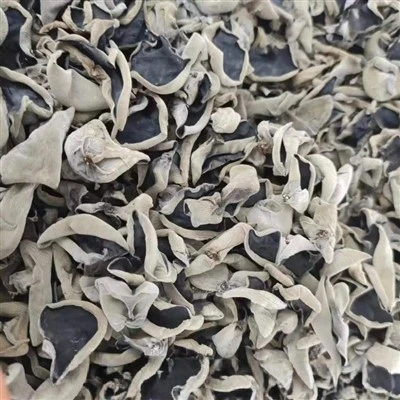
Dried black fungus (sometimes called wood ear, if you’ve heard that term) typically expands 5 to 7 times its original dry size when soaked in cold or warm water. Elm ear, which is a slightly thinner, more delicate cousin, expands a little more – 6 to 8 times. Let me put that in non-biz terms for home cooks and restaurant chefs alike: If you grab a 1 ounce bag of dried black fungus, that turns into roughly 5 to 7 ounces of soft, plump fungus once it’s rehydrated. For elm ear, that same 1 ounce becomes 6 to 8 ounces. That’s not just a little puff – that’s doubling, almost tripling, the weight of the dry product. No wonder people are shocked when they soak a handful and it fills a whole bowl!
Now, why does this happen? I’m not a lab scientist, but I’ve asked the people who process our products, and here’s the gist: When these fungi are dried, almost all the moisture (which is like 90% of their fresh weight) is removed. The cell walls of the fungus are made of chitin, a tough fibrous material – when that’s dry, it’s all crumpled and compacted. When you add water, those cell walls act like tiny sponges. They absorb the water, soften up, and expand back to the size they were when they were fresh. That’s why the expansion is so dramatic – it’s not just the fungus puffing up, it’s the structure rehydrating completely.
But wait – not all soaking is created equal. This is where a lot of folks mess up, and I see it every day. If you soak dried fungus in hot water, it might expand fast, but it also gets mushy, slimy, and loses a lot of that crisp, tender texture we’re known for. That’s a mistake I see new chefs make all the time. Cold water is the way to go – it takes a little longer (20 to 30 minutes for black fungus, 15 to 20 for elm ear), but the expansion is more even, and the texture stays perfect. Some people even soak overnight in the fridge, which works great too if you plan ahead. Hot water = quick expansion, bad texture. Cold water = gradual expansion, great texture. Simple as that.
Another thing I get asked: Is there a difference between black fungus and elm ear when it comes to expansion? Yep, and it’s why we keep both in our inventory. Elm ear is thinner and has a more delicate structure, so it absorbs water a little faster and expands just a touch more than black fungus. Black fungus has a thicker, chewier cap, so it takes a tiny bit longer to rehydrate, but ends up with that satisfying crunch when you cook it. For example, if you’re making a cold salad, elm ear’s softer texture works perfectly, and its bigger expansion means you can use less dry product to fill a bowl. For stir-fries or hot and sour soup, black fungus’s heartiness holds up better to heat, and its expansion gives you that meaty bite people love.
Now, let’s talk about why this expansion matters for you, whether you’re a home cook or a restaurant owner. Let’s do a quick math check for a small café I supply: They order 10 pounds of dried black fungus a month. With 5x expansion, that turns into 50 pounds of rehydrated fungus – enough to make 20 to 25 batches of their famous mushroom stir-fry. If they’d ordered fresh, they’d need way more (like 50 pounds of fresh fungus to get the same 50 pounds of rehydrated product) which would cost way more, take up way more storage space, and go bad faster. For restaurants, that’s a game-changer – lower cost per usable ingredient, less waste, easier to store. For home cooks, that means a $5 bag of dried fungus is actually enough for 3 or 4 meals, not just one. It’s why our customers come back again and again – they see the value immediately.
I’ve also heard a lot of myths out there: Some people say “it expands so much it’s not worth buying the dry stuff,” but that’s only if you’re not using it right. Others swear by soaking in salt water, saying it removes dirt or debris – and honestly, that’s not a bad trick. A tiny pinch of salt in the soaking water helps the fungus absorb water faster, and can get rid of any little bits of bark or debris that stick to the dried pieces. Just don’t overdo it on the salt, or it’ll make the fungus taste salty when you cook it. Another myth: If you see a tiny spot on the dried fungus, it’s bad – no, that’s just a natural part of the drying process, and it doesn’t affect expansion or flavor at all. We sort our products to get rid of the real blemishes, so you don’t have to worry about that.
As your supplier, we test every batch of dried black fungus and elm ear to make sure the expansion is consistent. We’ve worked with growers in China for over 10 years, and we know exactly how to harvest, dry, and process them so they hold their expansion when our customers soak them. No “fluff” products here – what you see in our bags is exactly what expands the way we say it will. We even send free test samples to new customers so they can try soaking it themselves before placing a big order. That’s how confident we are in our product.
Now, let’s wrap this up, because I know you’re here to get answers, not just chat. To recap: Dried black fungus expands 5-7x its dry size, elm ear expands 6-8x. Cold water soaking gives the best texture and even expansion, hot water is a quick fix but ruins the taste. The expansion is because the dried cell walls absorb water and rehydrate back to their fresh size. This makes dried fungus way more cost-effective and easier to store than fresh.
If you’re a restaurant owner, caterer, or even a home cook who goes through a lot of these ingredients, we’re here to help. We can work out bulk pricing, flexible delivery schedules, and even custom packaging if you need it. No hoops, no weird minimums (within reason, of course), just straight talk and good product. If you have questions about expansion, soaking, or even how to cook with these fungi, just reach out – I’m always happy to chat.
Mushroom Soup Mixes References:
- Zhang, Y., et al. (2018). Hydration characteristics of dried edible fungi: Effects of drying method and water temperature. Journal of Food Science and Technology, 55(12), 4987-4995.
- Food and Agriculture Organization (FAO). (2020). Edible fungi post-harvest handling: Drying and rehydration guidelines. FAO Agricultural Services Bulletin No. 185.
- Lee, S., et al. (2021). Textural properties of rehydrated wood ear (Auricularia auricula-judae) and elm ear (Auricularia polytricha) fungi as affected by soaking conditions. Journal of Culinary Science and Technology, 19(3), 278-292.
Qingyuan Manchu Autonomous County Lichang Native Produce Co., Ltd.
We are one of the most professional dried black fungus & elm ear manufacturers and suppliers in China, featured by quality products and good price. Please rest assured to wholesale bulk dried black fungus & elm ear for sale here from our factory. Welcome to view our website for more information.
Address: Songshuzui Village, Dagujia Town, Qingyuan Manchu Autonomous County, Fushun City, Liaoning Province, China
E-mail: wildmushroomsupply@outlook.com
WebSite: https://www.wildmushroomsupply.com/
