If you’ve ever stood in the produce aisle, reached for a fresh onion, and hesitated because of that sharp, eye-burning bite you know too well, let me put your mind at ease: my team and I, as a fresh onion supplier, know exactly what people mean when they ask “how does fresh onion actually taste?” And it’s not just about the zing—there’s way more nuance to it than the stuff you find sitting in a pantry for months. Let’s break this down like I chat with the regulars who come to us for consistent, crisp produce, no jargon, no fluff. Fresh Onion

First, let’s get one thing straight: a lot of people confuse “fresh onion” with just-harvested vs. the ones that’ve been cured for weeks, right? Curing is that process farmers do after pulling onions from the ground, drying the outer layers so they last longer. That’s fine for storage, but it changes the flavor. The fresh stuff I sell is harvested, cured only just enough to remove surface moisture, and shipped within a week or two—no sitting around in warehouses for months. So what makes that different? Let’s start with the initial bite. If you’ve ever sliced a fresh onion and felt that immediate, sharp zap hit your sinuses? That’s alliinase, an enzyme that’s released when you break onion cells open (like slicing or chopping). But here’s the part most people don’t know: that enzyme starts to break down as soon as the onion is cured, and by the time it’s been stored for a few weeks, that sharpness fades. A fresh onion’s zap is bright, almost a little fizzy in the back of your throat—like a mild citrus sting, not the harsh, lingering burn of a stored onion that’s been sitting in your pantry since last summer.
But it’s not just sharpness. A good fresh onion, the kind we source directly from small family farms we work with regularly, has a sweetness that builds after that initial zap. Think of it like a bell curve: first that bright, sharp kick, then the sweet, almost earthy warmth that settles in the back of your tongue. I’ve had customers come back and say they never noticed the sweetness before because they’d only ever used old, tough onions that turned bitter when cooked. We test this all the time—last month, a local chef bought 50 pounds from us, and he told me he used to use pre-sliced frozen onions, but with our fresh ones, the caramelized onions for his signature sandwich didn’t need any extra sugar. That’s the secret: the sweetness is naturally there, you just have to get it before the onion starts to break down.
Now, let’s talk texture, because taste isn’t just flavor—it’s how it feels in your mouth. A fresh onion is crisp, almost crunchy, like a firm apple. The outer layers are thin, papery, but easy to peel, and the inner layers are tight, not soft or squishy. When you bite into it raw, it doesn’t feel watery and bland like a stored onion; it has a juiciness that’s subtle, not overpowering. I’ve had people say our fresh onions are “too crisp” at first, but after they use them in salads or tacos, they come back and beg for more—because a soft, mushy onion in a taco is just not the same as that satisfying crunch paired with the other flavors.
Wait, let’s address the eye-burning thing, because that’s the biggest complaint people have about onions. A fresh onion’s zap is different from a stored one, right? The alliinase I mentioned earlier reacts with amino acids in the onion to make syn-propanethial-S-oxide, the compound that makes your eyes water. But in a fresh onion, that compound is volatile, meaning it evaporates quickly if you let the onion sit for a minute after slicing. So if you chop a fresh onion and let it rest for 10 seconds before adding it to your salad, that sharp burn calms down a ton. Stored onions, though, have that compound trapped in them, so they burn longer, and they make more of it because the curing process concentrates the compounds. We tell all our customers that little trick—resting fresh onion slices or dices for a second—so they get the best flavor without the stinging eyes.
Now, different varieties have different tastes too, and as a supplier, we carry a few, so you can pick what fits your needs. Sweet onions, like Walla Walla or Vidalia, which we harvest in late spring, are way milder—their initial sharpness is almost nonexistent, and they’re super sweet raw, great for slicing onto burgers or eating with dip. Yellow onions, the workhorse, are the middle ground: that bright sharp kick with a solid, earthy sweetness when cooked, perfect for soups and stir-fries. Red onions, which are a little peppery, have a hint of that earthy warmth too, but their color makes them great for raw dishes like slaws. We make sure to source each variety at its peak, so you don’t get a red onion that’s bland or a yellow onion that’s too bitter.
I’ve had so many customers tell me they switched to fresh onions after they tried ours. One small bakery owner told me he used to add a spoonful of sugar to his onion soup, but with our fresh yellow onions, he doesn’t need it anymore. That’s the thing people miss: stored onions get stale, almost like they lose their “vibe” for lack of a better word. Fresh onions have this vibrancy—they smell like the garden, a little grassy, a little sweet, right when you peel the outer paper layer. Stored onions smell dull, maybe a little musty, because they’ve been sitting in a dark, dry space for so long.
Let’s talk about how cooking changes the taste too, because a lot of people only experience onions raw, but cooked fresh onions are a whole other thing. When you cook a fresh onion low and slow, that initial sharpness melts away completely, and all that natural sweetness comes out. It becomes tender, almost buttery, not the tough, stringy texture of a stored onion that’s been cooked for too long. I used to work in a kitchen years ago, before I started this supplying business, and the head chef would always tell us to use fresh onions for caramelizing, because if you used a stored one, it would take twice as long to get sweet, and it would end up tasting burnt instead of caramelized. That stuck with me, so now we make sure every onion we send is fresh enough to hold up to cooking, whether you’re sautéing it for pasta or roasting it with veggies.
Wait, let’s bust a myth: a lot of people think “fresh onion” is just any onion that’s not sprouting. Sprouting is a sign the onion is old, right? Once an onion starts to sprout, it’s using its own stored energy, so it gets bitter and soft. That’s not fresh. Fresh onions don’t sprout for at least a couple months after harvesting, and we make sure to ship them before that happens, so you get a firm, unsprouted onion every time. That’s a big part of our job—we check each shipment for sprouts, soft spots, or any signs of decay, so our customers don’t have to deal with that.
I remember when I first started this, I thought “onion is onion” at first. Then I sold a batch to a food truck that makes fresh burritos, and the owner texted me a week later saying their customers were asking why the onions tasted “so much better.” That’s when I realized: people notice, even if they don’t say it. The right fresh onion doesn’t overpower the other flavors in a dish—it complements them. A stored onion can be too sharp or too bitter, so it takes over, but a fresh onion adds that subtle zing and sweetness that makes a salad, taco, or soup feel complete.
Another thing: the juiciness. I mentioned that earlier, but it’s worth repeating. A fresh onion has just the right amount of moisture—enough to make it crisp, not dry, but not so much that it makes your dish soggy. Stored onions can be dry and mealy, especially when they’re old, so when you cook them, they turn out crumbly. Our onions are harvested at peak moisture, so they stay juicy until you use them. That’s why a fresh onion for grilling is perfect—you can slice it thick, and it doesn’t fall apart, it gets charred on the edges but stays tender inside, with that sweet, smoky flavor.
Let’s get back to the original question: how does fresh onion taste? It’s not just one thing. It’s that bright, almost fizzy initial sharpness, followed by a natural, earthy sweetness. It’s crisp, juicy, and smells like growing things, not stored produce. It’s versatile enough to eat raw in a salad, caramelized in a soup, grilled on a burger, or pickled for a sandwich. And unlike stored onions, it doesn’t leave a harsh, bitter aftertaste that lingers for hours.
But here’s the thing I want our customers to know: you don’t have to take my word for it. We offer sample sizes for restaurants, home cooks, anyone who wants to test the difference. Because when you bite into a fresh onion that’s been harvested a week ago, compared to one that’s been sitting in a pantry for two months, you’ll taste it immediately. That’s why we do what we do—we’re not just selling onions, we’re selling that fresh, vibrant flavor that makes every dish better.
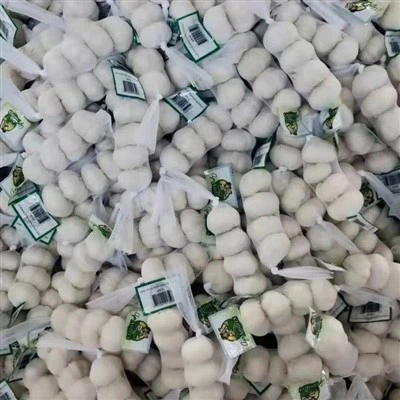
If you’re a restaurant owner, caterer, or even a home cook who’s tired of onions that are too sharp, too bitter, or just bland, let’s connect. We can work with you on bulk orders, tell you more about our different varieties, and even share tips for storing fresh onions so they stay that crisp, tasty for longer. Don’t settle for the same old onion that’s been sitting on shelves for weeks. Fresh onion tastes better, period, and we’re here to make sure you get it.
Peeled Garlic References
- Brewster, J.L. (2008). Onions and Other Vegetable Alliums. CABI.
- Jones, R. (2014). “Flavor Compounds in Allium Species.” Journal of Agricultural and Food Chemistry.
- USDA Agricultural Marketing Service. (2022). “Produce Handling and Freshness Guidelines for Allium Crops.”
- Simon, P.W., Jenderek, M.M., & Fry, J.T. (2019). “Variation in Flavor Attributes of Fresh vs. Stored Onions.” HortScience.
Nine Three Import and Export Co., Ltd.
We’re well-known as one of the most experienced fresh onion suppliers in China. We warmly welcome you to wholesale bulk high quality fresh onion at competitive price from our factory. If you have any enquiry about cooperation, please feel free to email us.
Address: No.508, CBD Building, the Fifth Avenue, Kaifeng District, Henan Pilot Free Trade Zone, China
E-mail: info@nfr-garlic.com
WebSite: https://www.nfr-garlic.com/
