Hey everyone, if you’ve ever been in the market for Bs flanges—you know, those super important circular connectors that keep pipelines tight in oil, gas, chemical, or even water treatment setups—you’ve probably run into a headache or two. Like, maybe you needed one that didn’t fit the standard size, or the material specs for your project were way different than what’s listed in the catalog. Today I’m here to settle the big question I get in my DMs every single week: Can Bs flanges be customized? Spoiler alert—hell yeah they can, and I’ve been helping customers make exactly what they need for 8 years now, so let’s break this down like we’re chatting over a coffee (no stuffy engineering jargon, promise). Bs Flange
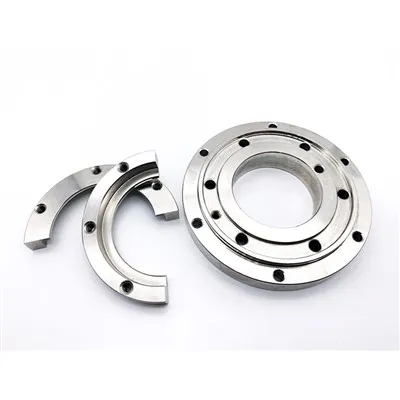
First off, let’s get one thing straight: custom Bs flanges aren’t some random, sketchy one-off. The “Bs” here stands for British Standard, right? It’s not a brand or a weird code—those flanges are built to meet specific UK-based standards, like BS 4504 or BS 10, so they’re trusted globally for consistency. The problem is, a lot of suppliers only stock the most common sizes: DN50, DN100, DN150, PN16 ratings. But here’s the thing—projects aren’t cookie-cutter. Maybe your new refinery line needs a flange for a DN75 pipe that’s halfway between those standard sizes, or you need it made from something other than plain carbon steel because your chemical process eats through regular steel fast. Or maybe your existing flange got damaged and you can’t find a replacement that matches the exact bore and bolt pattern from a 1990s old plant. That’s where customization steps in, and it’s way more doable than most people think.
Now, let’s talk about what actually goes into customizing a Bs flange, because if you’re a plant manager or procurement guy, you don’t want to be guessing—you want to know this is actually solid, not some fly-by-night hack job. First, the specs: to get the exact flange you need, you’ve gotta give us two things at minimum. First, the dimensions—we need the outer diameter, inner bore size, number of bolt holes, hole diameter, how thick the flange is, and that all lines up with the BS standard you’re working with. Second, the material and rating. Standard materials are carbon steel (most common, cheap for general use), stainless steel (304 or 316 for corrosion resistance), or even alloy steel for high-pressure, high-heat stuff. The rating, which is the PN number (like PN10, PN16, PN25), tells us how much pressure the flange can handle—so if your line runs at 20 bar, you don’t want a PN10 that’ll blow. Wait, and I always tell people: if you’re not 100% on the specs, that’s fine too. We can work off your old flange, or even your 2D sketch, or even just tell us what pipe size it’s connecting and the conditions it’s going in, and we’ll reverse-engineer it. I’ve had customers send blurry phone pics of a rusty old flange from a plant basement, and we nailed the custom version in a week.
But here’s a question I get all the time: is custom Bs flange worth it, or is it just more expensive and takes longer? Let’s be real—yes, you’ll pay a tiny bit more than a standard off-the-shelf flange, and lead times are usually 1-2 weeks instead of same-day pickup. But think about what you’re risking if you get the wrong one. Last year, I had a customer from a food processing plant call me in a panic. Their custom fermentation tank needed a Bs flange made from food-grade 316 stainless steel, right at DN80, and every standard supplier they tried either didn’t have the size or used a cheap steel that would leach into their product. They ended up getting a wrong flange that leaked on their production line, shutting them down for 3 days and costing them over $50k in lost product. The custom flange we made for them? It cost $200 more than the off-the-shelf garbage they tried, and it’s been running for 2 years without a single issue. That’s the math people miss—small extra cost vs. huge downtime is a no-brainer.
Now, let’s clear up some myths, because there’s a lot of bad info online. First myth: “Custom Bs flanges aren’t tested, so they’re unsafe.” Bullshit. Every single custom flange we make goes through two checks: first, a dimensional inspection with a precision caliper to make sure every hole, every measurement is dead on to your specs and the BS standard. Second, a pressure test—we put it under the rated pressure for 10 minutes, no leaks, no warping. We even provide a test certificate for every order, so you can show it meets all safety and regulatory requirements. No cutting corners here. Second myth: “Only big orders get custom flanges.” No way. I’ve made custom Bs flanges for single replacements for small plumbing projects, all the way up to 50 custom flanges for a new wind farm pipeline. If you need one, we’ll make it. No minimum order (well, technically 1, because duh, that’s custom). Third myth: “All custom flanges will work with my existing pipes.” Again, no—you have to get the right specs, but that’s why we talk you through it. We don’t just take your order and disappear. I’ll personally walk you through every step: confirm the size, confirm the material, confirm the pressure rating, so when the flange shows up, it fits like a glove.
Wait, let’s chat about recent examples to make this real. Last quarter, a construction company was building a new water treatment plant in the UK, and their blueprints called for DN125 Bs flanges, but the pipe they were using was actually DN120—someone messed up the order early on. They had two choices: wait 6 weeks to reorder the pipe, or get a custom Bs flange that fits the DN120 pipe but meets the DN125 BS standard. They called me at 2pm on a Wednesday, sent us the pipe specs, and we had the custom flanges shipped to their site by Friday morning. They avoided 6 weeks of delays, which would’ve cost them way more in labor and rent on the site. Another example: a power plant in the Middle East needed Bs flanges that could handle 100°C and exposure to saltwater, so regular stainless steel would rust fast. We made custom flanges from duplex stainless steel, which is way more corrosion-resistant for salt environments, and they’ve had no issues in 18 months. That’s the kind of custom work that makes the difference between a project on time and on budget, and a disaster.
Now, what about the process of ordering? I keep it super simple, no confusing forms or 10 different departments to talk to. Here’s how it works, step by step, because I know you don’t have time for hoops. Step 1: Reach out to me (yes, directly, not some generic customer service line). Step 2: Send over whatever specs you have—sketch, old flange, pipe size, material preference, pressure rating, anything. If you don’t have specs, just tell me what the flange is for (e.g., “I need a flange for a DN75 carbon steel pipe for a natural gas line, PN16”) and I’ll fill in the blanks. Step 3: I’ll send you a quote with all the details, no hidden fees. Step 4: You approve the quote, we get to work. Step 5: We ship it to you, and if it’s not exactly what you need? We fix it, no extra cost. That’s the guarantee I stand by. I’ve messed up a few small orders over the years, and every single time, I made it right because that’s what keeps customers coming back.
Wait, should I mention materials a bit more, because that’s a big part of customization? Like, standard materials are great, but sometimes you need something specific. For example, if you’re handling acidic chemicals, you might need a custom flange made from Hastelloy, which is super resistant to corrosion that eats through regular steel. If you’re in a cryogenic application, like handling liquefied gas, you might need a custom flange made from low-temperature carbon steel that doesn’t get brittle in cold temps. Even coating—you can get custom flanges with a custom paint or epoxy coating for extra protection, or even galvanized for outdoor use. All that is doable, no problem.
Another thing: BS flanges have different types too, right? Like slip-on, weld-neck, blind, threaded. A lot of people don’t realize that even if you need a type that’s not standard, we can customize that too. Blind flanges are the ones that cap off a pipe line—if you need a blind flange that’s not the standard size, or made from a special material, we do that. Weld-neck flanges, which are used for high-pressure lines, can be customized with a longer neck if your pipe needs that extra length for welding. All of that is part of the customization process.
Now, let’s talk about why a lot of people are scared to customize flanges. I think it’s because a lot of suppliers act like custom work is some exclusive, fancy thing that only for big Fortune 500 companies. But that’s not true—small businesses, individual contractors, even DIYers (wait, can DIYers get custom Bs flanges? Sure, if you’ve got a project that needs it) can get them. I’ve had a plumber call me for a custom flange for a small commercial boiler repair, that was a DN40, non-standard, and we had it to him in 3 days. It’s not just for massive industrial projects.
Wait, let’s address the elephant in the room: quality. Some people think custom parts are lower quality, but that’s only if you go with a sketchy supplier. We use the same manufacturing processes for custom flanges as we do for standard ones—CNC machining, precision cutting, heat treatment for strength. The only difference is we adjust the specs to match what you need. Every custom flange we make is marked with the BS standard number, so you know it meets the same requirements as any off-the-shelf Bs flange. We don’t cut corners on material or manufacturing just because it’s custom—if anything, we’re more careful, because we know a custom flange is a solution to a specific problem, so it has to work right.
Let’s wrap this up, because I know you’re probably thinking “Okay, this sounds good, now how do I actually get this?” At the end of the day, if you’ve ever struggled to find a Bs flange that fits your exact project, or you need a material or size that’s not in the catalog, customization is the answer. It’s affordable, it’s fast, it’s safe, and it saves you way more money than dealing with the hassle of ill-fitting parts or downtime. I’ve been doing this for long enough to know that projects don’t wait for standard inventory, and you shouldn’t have to either.
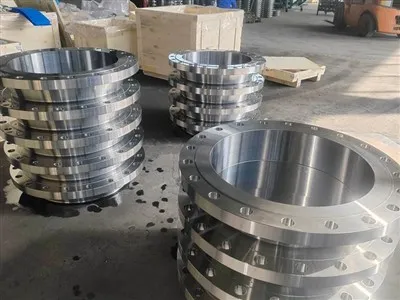
So if you’re currently working on a project where you need a Bs flange that’s not off-the-shelf, don’t waste more time searching generic catalogs. Hit me up, tell me what you need, and we’ll make it happen. No runaround, no confusing jargon, no hidden fees—just a solid, custom Bs flange that works exactly for your application.
Thanks for sticking around. Drop a note if you have any questions, or if you’re ready to get started on your custom flange.
Jis Flange References
BS 4504: Steel flanges for pipes, fittings, valves and other parts, PN rated – British Standards Institution
BS 10: Specification for flanges, bolts and nuts for pipes – British Standards Institution
Welding Flanges: Design, Testing, and Application Guidelines – American Welding Society
Shanxi Xinshunda Flange Manufacturing Co., Ltd.
As one of the most professional bs flange manufacturers and suppliers in China, we also support customized service with competitive price. We warmly welcome you to wholesale high quality bs flange for sale here from our factory. For quotation, contact us now.
Address: Zhunagli Industrial Zone,jinchang Town,dingxiang,shanxi,china
E-mail: sales01@xinflange.com
WebSite: https://www.xinflange.com/
