Hey guys, let’s cut to the chase—if you’re in the cosmetics space, you’ve probably heard someone mumble “lip base” behind lab walls or at a trade show, and you might’ve nodded like you knew exactly what it was… even if you were 50% confused. I get it, I’ve been there too. As someone who’s been supplying custom lip bases for brand owners, indie creators, and even formulators for over a decade, I hear the same questions weekly: “Is it just a tinted balm?” “Can I use it for matte formulas?” “Why does mine crack when I layer it with lip gloss?” Let’s break this down like we’re chatting over a coffee at a trade show booth—no stuffy textbook jargon, just real, useful stuff you can actually use. Lip Base
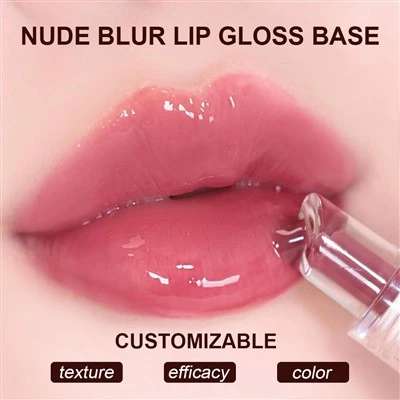
First off, let’s get the basics straight. A lip base isn’t a random product you slap on your lips before lipstick (though that’s one use for it!). It’s the foundational formula that makes every lip product you’ve ever loved work. Think of it like the foundation of a house—you don’t see the foundation, but if it’s cheap or poorly built, the whole thing crumbles. Lip bases are customized blends of emollients, thickeners, moisturizers, and active ingredients, mixed to do specific jobs. No two lip bases are the same, because a base for a liquid lipstick is way different than one for a long-wear tint, or a lip oil hybrid.
Let’s talk about the core ingredients, because that’s where the science gets interesting (and useful for anyone formulating their own lines). Emollients are the soft stuff—things like squalane, jojoba oil, shea butter, or even mineral oil (don’t knock it, it’s super stable and cheap for mass market formulas). These slip into the tiny gaps between your lip skin cells to smooth them out, so color goes on even. But here’s the catch: too much emollient and your lip product will slide off after an hour. That’s why thickeners matter. Thickeners like candelilla wax, polybutene, or silica add structure, so the formula stays where you put it. Then there are moisturizing agents—hyaluronic acid, vitamin E, shea butter’s fatty acids—that prevent lips from drying out mid-day, which is a huge complaint for matte formulas.
Wait, let’s clear up a common myth: lip bases aren’t just for matte products. I’ve supplied bases for creamy lip glazes, liquid lipsticks, lip stains, even stick lip balms that double as primers. The difference is in the ratio of those core ingredients. For a matte liquid lipstick base, we crank up the thickeners and cut the emollients just enough to keep color transfer low—so it doesn’t leave a stain on your coffee cup. For a hydrating tint, we add more squalane and hyaluronic acid, so it feels like a lip oil, not a dried-up bandage. For long-wear formulas, we might mix in small amounts of silicone elastomers, which form a flexible film on the lips that stretches when you smile, so it doesn’t crack. I’ve seen too many indie brands mess this up: they use a generic eye shadow base for their lip product, and end up with something that flakes off after 2 hours. That’s the foundation mistake right there.
Now, let’s get into why you’d care as a brand owner or formulator. If you’re starting a lip line, making your own base from scratch is a massive pain. You have to test for texture, wear time, transfer resistance, compatibility with color pigments—one wrong ratio and your whole batch is trash. That’s where a good lip base supplier comes in. We do all the R&D for you, so you can focus on coloring it, naming it, and marketing it. But not all suppliers are equal. Some sell one generic base, and it works for nothing. Others offer customizable bases—you can tweak the emollient load, add specific actives (like SPF for daytime tints, or plumping peptides for luxury lines), adjust the pH to make it safe for your formula, even pick the texture (creamy, lightweight, gel-like). For example, last year I worked with a small indie brand that wanted a matte base for Gen Z customers who hated dry lips. We adjusted the base to add 0.5% more shea butter and 0.3% hyaluronic acid, and their product went viral because it didn’t have that “tight lip” feeling that most mattes have. That’s the power of a good custom lip base.
I also get a lot of questions from people who want to use lip bases for personal use—like, can I buy a base and tint it at home? Short answer: yes, but you have to be careful. Store-bought lip bases are formulated with cosmetic-grade ingredients, but homemade tints work best with liquid pigments designed for lip products, not food coloring (food coloring can irritate your lip skin). But for brands, that’s a non-starter—you need a stable base that passes safety tests (like FDA or EU CosIng regulations), has a long shelf life, and works consistently across batches. No one wants to restock a product and have it feel different.
Another thing to know: lip bases have come a long way in the last 5 years. When I started in this industry, most bases were either super thick (for long-wear mattes) or super thin (for lip oils). Now we have hybrid bases—like the “mousse base” we developed last year, which is lightweight, has the structure of a matte, and the hydration of a lip gloss. Brands love this because it fills a gap: people who want color that stays, but doesn’t feel heavy. I even work with a few K-beauty brands that use our tinted bases as their entire product line—they add a tiny amount of colorant and go, no extra steps. That’s how versatile a good lip base can be.
Wait, let’s talk about common mistakes I see brands make when choosing a lip base. First, going for the cheapest option. I get it, startup budgets are tight, but a $2 per kg base might seem like a steal, but it’s probably made with low-quality waxes that melt in the sun, or cheap emollients that cause breakouts for customers. Second, not testing the base with their color pigments. Some bases react with certain pigments—like some matte bases can turn pink or red pigments dull, or cause them to fade faster. A good supplier will offer to test compatibility with your specific colorants for free, which saves you thousands in wasted product. Third, ignoring shelf life. If your base has a short shelf life, your product will go bad before you sell it. We always test our bases for stability—they have a 2-year shelf life unopened, and 6 months once mixed with color. That’s non-negotiable for anyone shipping products.
Now, if you’re someone who’s just starting out, here’s a quick guide to picking a lip base that works for you. First, define your product goal: is it a long-wear matte? A hydrating tint? A luxury plumping lip product? Then, ask your supplier if they have bases formulated for that use case. If they don’t, ask if they can customize one. A good supplier will walk you through the options, not just push the most expensive one. Also, ask for a sample—test it on your own lips, wear it for 8 hours, see if it cracks, transfers, or dries out. If the sample feels off, move on.
At the end of the day, lip bases are the unsung heroes of the cosmetics industry. No one walks into a store and says “I want a good lip base,” but that’s exactly what makes their favorite lip products work. I’ve seen brands grow from a single product to a $1M line just because they switched to a better lip base. I’ve also seen brands fail because they cut corners on their base. That’s why I love what I do—helping creators build products that people actually love to wear, by giving them a foundation that works.
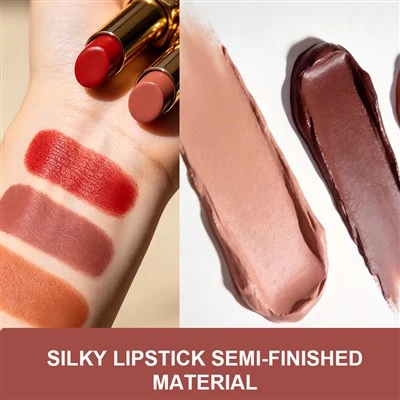
If you’re a brand owner, indie creator, or formulator looking for a reliable lip base supplier, someone who’ll work with you to tweak formulas, test color compatibility, and offer flexible options (no generic one-size-fits-all garbage), reach out. We can chat about your specific needs, send over samples, and figure out a base that fits your product and budget. No hidden fees, no jargon, just straight talk.
Lipstick Base References:
- Caddeo, C., et al. (2020). “Lip Care Products: Formulation, Efficacy, and Safety Considerations.” International Journal of Cosmetic Science, vol. 42, no. 3, pp. 245-256.
- Obata, K., et al. (2018). “Film-Forming Polymers in Long-Wear Lip Cosmetics: A Review.” Journal of Applied Cosmetology, vol. 36, no. 2, pp. 101-110.
- Rastogi, S., et al. (2021). “Hydrating Lip Bases: The Role of Emollients and Humectants in Lip Skin Barrier Repair.” Skin Pharmacology and Physiology, vol. 34, no. 5, pp. 221-228.
Guangzhou Yishengheng Cosmetic Co., Ltd.
As one of the most professional lip base manufacturers in China, we’re featured by high quality customized products. Please feel free to buy discount lip base in stock here and get pricelist from our factory. Quality products and punctual delivery are available.
Address: Room 1003, 10th Floor, Building B, Suijin Center, No. 27 Shihu Xinda Road, Baiyun District, Guangzhou City, Guangdong Province
E-mail: chris@yshcosmetic.com
WebSite: https://www.yshcosmetic.com/
