Hey there,
Let’s cut to the chase—if you’re running a factory, fire safety isn’t just a “check-the-box” thing. It’s the only thing standing between keeping your operation up and running, and a total shutdown that could cost you millions. I’ve spent years working directly with factories as a fire pump supplier, and trust me, I see it all: the small shops that forgot to maintain their systems, the large manufacturing plants that thought sprinklers alone were enough, and every scenario in between. Today, I’m breaking down exactly what a fire pump does in a factory, why it’s non-negotiable, and how we make it work for your space. Fire Pump
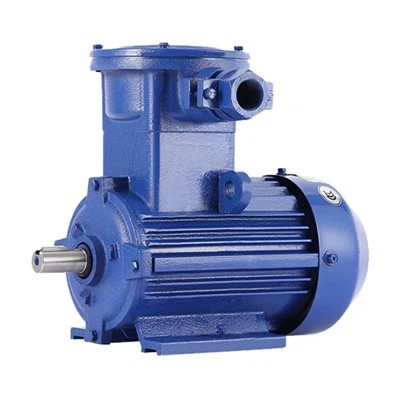
First, let’s get one thing straight: a fire pump isn’t a backup for your sprinkler system. It’s the engine that makes that system actually do its job. Sprinklers rely on water pressure—but in a factory, especially a big one, regular water lines (the ones you use for cleaning, toilets, machinery) just don’t cut it. Think about it: a typical municipal water line might push 40 to 60 psi. For a 3-story factory with a warehouse full of flammable materials (think cardboard, chemicals, plastics), you need 100+ psi at the sprinkler heads to push water high enough and far enough to put out a fire before it spreads. That’s where our fire pumps step in.
I work with all kinds of factories—food processing, auto manufacturing, pharma, even those big warehouses that ship Amazon packages. Every single one has different fire risks, so the pump setup isn’t one-size-fits-all. Let’s break down the key applications that matter for factories, because if you miss any of these, you’re setting yourself up for trouble.
First up: boosting sprinkler system pressure. Let’s take a auto parts factory, for example. They have tons of metal stamping machines, but also storage for lubricants, plastic trim pieces, and cardboard boxes for packaging. A fire in the storage area can jump fast—heat from a single smoldering box can ignite the plastic, which then catches the cardboard, and suddenly you’ve got a 10-foot fire before the alarm even stops blaring. Our fire pumps hook right into the factory’s existing water supply—whether that’s municipal or a on-site water tank—and multiply that pressure. We size the pump so that every sprinkler head in the factory gets the exact flow rate it needs. For that auto parts plant, we’d use a 750-gallon-per-minute (GPM) pump that kicks on automatically the second a sprinkler activates, no human needed. That means water hits the fire within seconds, not minutes—seconds matter when a factory fire can cause $100k in damage every minute.
Next: standby water supply for when the main line fails. Last year, I worked with a food processing plant that had a water main break overnight. Their sprinkler system would’ve been dead in the water if they didn’t have a fire pump tied to a 10,000-gallon on-site tank. The pump switched over to the tank immediately, kept pressure up, and when a small fire in a fryer area broke out (turns out, a worker left a grease rag too close to the exhaust), the sprinklers put it out before it spread to the nearby flour storage. Flour is super flammable—small particles can explode if they catch fire, right? So a lost fire there would’ve closed the plant for months. That’s the thing about factories: even a tiny, avoidable problem can turn catastrophic because of the materials you’re storing. Our fire pumps act like a safety net for that—no matter if the city cuts water, a pipe bursts, or your on-site tank has a dip, the pump keeps flowing.
Another big one: special hazard systems. Not all factory fires are the same. Some have chemicals, some have electrical equipment, some have sensitive materials that regular water would ruin. Let’s say a pharma factory—they have labs with flammable solvents, and also cold storage for vaccines where water damage would wreck millions in product. For those spaces, we install foam-water sprinklers or clean agent systems (like FM-200) that don’t leave water residue. But those systems still need consistent pressure to work correctly. Our fire pumps are designed to sync with these specialized systems too. We’ll even add a pressure switch that triggers the pump specifically when a hazard system activates, so you’re not wasting water or power when it’s not needed. For that pharma plant, that meant the solvent fire was smothered in foam in 90 seconds, and the cold storage stayed dry—no product loss, no shutdown.
Wait, I should mention we also do manual pump setups for factories where automated ones are too risky. Some places have areas with heavy electrical equipment (like a computer server room in a factory) where power outages are common. Their automated pumps rely on electricity, so we offer diesel-driven fire pumps as a backup. Those run on their own fuel supply, no grid power needed. Last quarter, a electronics factory had a power outage during a storm—their diesel fire pump kicked on in 10 seconds, kept the sprinklers going for 2 hours, and put out a fire in a stack of circuit boards before it reached the server room. A lot of suppliers skip diesel pumps, but every factory needs at least that option, especially if you’re in a storm-prone area.
But here’s what most factory owners don’t realize: a fire pump isn’t just a install-it-and-forget-it thing. We don’t just sell you a pump and dip—we do monthly checks, annual testing, and adjust it as your factory changes. I once had a client who expanded their warehouse, added more plastic storage, and tried to keep their old 500 GPM pump. When I came out to test it, it couldn’t keep pressure in the new section. So we swapped it for a 1,000 GPM model, and adjusted the pressure settings for the expanded space. That’s the part that makes a difference—we’re not just a vendor, we’re someone who’s there when your factory changes, which it always does.
Let me talk about a bad example to drive this home. A small clothing factory a few years ago—they had a 300 GPM fire pump that was 10 years old. They never tested it, so when a fire broke out in a bin of fabric (super flammable, by the way), the pump seized up. Their sprinklers only got 30 psi, which wasn’t enough to reach the fire. The fire spread to the adjacent storage, and the factory was destroyed. That’s why we emphasize maintenance: every month, we send a tech to make sure the pump starts when it’s supposed to, no leaks, no clogged valves. It’s $100 a month, way cheaper than replacing your entire factory.
Now, I know what you’re thinking: “This sounds expensive.” Let’s do the math. A mid-sized factory (100k sq ft) spends about $50,000 on a new fire pump system, including installation. The average factory fire costs $2 million in damages, lost production, and downtime. That’s a 40-to-1 return on investment. And for factories with insurance, most carriers offer a 10-15% discount if you have a properly installed and maintained fire pump. So it’s not just about safety—it’s about saving money.
Wait, also—local fire codes. I can’t tell you how many factory owners get fined because their fire pump doesn’t meet the NFPA 20 standard (that’s the National Fire Protection Association’s code for fire pumps). It’s not just a good idea to follow it, it’s the law. We design every pump we sell to meet NFPA 20, so you don’t have to worry about inspections. We even work with your local fire marshal to make sure everything passes on the first try. No reworks, no fines, no delays.
Let me wrap this up. For a factory, a fire pump isn’t just another piece of equipment—it’s the thing that protects your workers, your product, and your business. It’s the difference between a small fire that’s put out in 2 minutes, and a disaster that shuts you down for 6 months. We’ve worked with over 200 factories in the past 5 years, and every single one that had a properly working fire pump avoided a major loss.
If you’re running a factory, and you’re not sure if your fire pump is up to snuff—whether you need a new one, a maintenance check, or an upgrade—reach out to us. We don’t do pushy sales pitches. We’ll come out, look at your space, your storage materials, your existing water lines, and tell you exactly what you need. No guesswork, no hidden fees, just honest advice that keeps your factory safe.
Don’t wait for a fire to happen to realize how important this is. I’ve seen too many factories learn that the hard way. Let’s make sure yours isn’t one of them.
Fire Pump References
- National Fire Protection Association. (2022). NFPA 20: Standard for the Installation of Stationary Pumps for Fire Protection. Quincy, MA: NFPA.
- Factory Mutual Insurance Company. (2021). Fire Protection Guidelines for Industrial Facilities. Norwood, MA: FM Global.
- U.S. Occupational Safety and Health Administration. (2020). Fire Safety Guidelines for Manufacturing Plants. Washington, DC: OSHA.
Taizhou Goodpump Trading Co., Ltd.
We’re well-known as one of the most professional fire pump enterprises in China, featured by quality products and good service. Please rest assured to buy discount fire pump in stock here from our factory. For quotation, contact us now.
Address: No. 38, District 6, Zhengye Village, Lunan Street, Luqiao District, Taizhou City, Zhejiang Province, China
E-mail: 19548175755@163.com
WebSite: https://www.goodpump-cn.com/
