Choosing a wooden dining table for your home isn’t just about picking a piece of furniture—it’s about investing in a centerpiece that will gather your family for Sunday roasts, host holiday feasts, and hold countless late-night conversations over coffee. As a supplier of wooden tables, I’ve spent the last 12 years talking to homeowners, interior designers, and first-time renovators who often tell me they’re overwhelmed by the options: which wood type is right? How do you avoid pieces that warp or scratch after a year? Is size more important than style? Today, I’m breaking down the practical, science-backed steps I walk every customer through to pick a table that works for their dining room, their lifestyle, and their budget. Wooden Tables
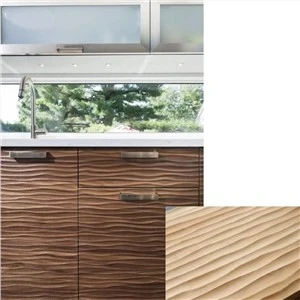
First, let’s start with the foundation: wood type. Not all hardwoods are created equal, and this isn’t just a matter of aesthetics—it’s a durability and long-term investment question. I see customers often drawn to the deep, warm tones of mahogany or the light, airy look of pine, but I always explain that Janka Hardness Rating is the real science behind how a table will hold up. For context, the Janka scale measures how much force is needed to push a 0.444-inch steel ball half-way into a wood sample; the higher the number, the more resistant the wood is to dents, scratches, and impacts.
Let’s go through the most common dining table woods with this in mind. Oak, for example, has a Janka rating of 1360 lbf—hard enough to stand up to daily use from kids pulling chairs in and out, spills from wine glasses, and the occasional dropped serving platter. It’s also abundant, so it’s more affordable than rarer woods like walnut or cherry. Solid oak tables that I’ve supplied to customers 8 years ago are still in great shape, with only minor patina from use, which is actually part of their charm. Walnut clocks in at 1010 lbf, which is slightly softer than oak, but its rich, chocolate-brown grain is so timeless that many homeowners choose it anyway—especially if their dining space has a more formal, modern-rustic vibe. The trick with walnut is to look for a table that’s been sealed with a high-quality finish, not a thin, cheap coating that will wear off in high-traffic areas.
Then there’s pine, which has a Janka rating of just 380 lbf. It’s lightweight, affordable, and has a natural, light grain that works for cottage-style or bohemian dining rooms, but it’s not ideal for heavy daily use. Pine tables will get dented if you set down a cast-iron skillet or have a chair leg scrape across them, which is why I always recommend pine for secondary dining spaces or seasonal guest rooms, not the main family dining area. For something in between, maple has a Janka rating of 1450 lbf—one of the hardest common hardwoods—so it’s perfect for homes with multiple kids or frequent dinner parties. It has a pale, smooth grain that pairs well with almost any chair style, and it’s incredibly resistant to scratches, which makes it a low-maintenance choice.
Another big factor people overlook when choosing wood is whether the table is solid wood or veneer. Veneer tables are made by gluing a thin layer of real wood to a particleboard or MDF core, and while they’re cheaper, they have major downsides for a dining room. The core absorbs moisture and heat, so if you leave a hot plate on the surface or spill a glass of water that sits too long, the veneer can bubble, peel, or warp. Also, if you scratch the veneer, the damage shows immediately because the core is a different color and texture. Solid wood tables, on the other hand, are made from a single piece of lumber (or joined planks, with no core), so they can be sanded and refinished 2-3 times over their lifespan, which means they’ll last for generations. I always emphasize to customers that while a solid wood table may cost 20-30% more upfront, it’s a better long-term investment than a veneer table that will need to be replaced in 5-7 years.
Next, size and shape—this is where a lot of people make mistakes, choosing a table that’s too big or too small for their dining room. The rule of thumb I teach is the 36-inch clearance rule: when you place the table in the room, there needs to be at least 36 inches of space between the edge of the table and the wall, or any other furniture (like a sideboard or buffet) around it. That’s enough room to pull out a chair, sit down, and move around without bumping into the table or the wall. To calculate the right table size, first measure your dining room’s length and width, then subtract 72 inches (36 inches from each side) from both numbers. The result is the maximum length and width your table can be. For example, if your dining room is 12 feet long (144 inches) and 10 feet wide (120 inches), subtract 72 from 144 to get 72 inches (6 feet) for the length, and subtract 72 from 120 to get 48 inches (4 feet) for the width. That gives you a 6ft x 4ft table, which is perfect for seating 6-8 people, depending on the chair size.
Shape also matters. Rectangular tables are the most popular for dining rooms because they fit well in most spaces and can seat more people than round tables of the same size. A 6ft rectangular table can easily seat 6 people (3 on each side), and if you get an extendable table, it can add 1-2 feet to seat 8 for holidays. Round tables are great for smaller spaces, because there are no sharp corners that take up extra walking room, and they encourage conversation—people sitting across from each other don’t have to lean around corners to talk. The downside of round tables is that they’re not as good for large groups; a 5ft round table only seats 6, while a 6ft rectangular seats 8. Square tables are a middle ground, perfect for small families or people who want a more intimate dining space, though they limit seating to 4 comfortably, or 6 if you have narrow chairs on the sides.
Once you have size and shape, it’s time to think about the table’s legs and base, which are often an afterthought but have a big impact on both function and style. Most tables fall into three base categories: four legs, trestle, and pedestal. Four legs are the traditional design, great for rectangular tables, and they give you plenty of legroom when you sit at the ends of the table. The key here is where the legs are placed: if they’re too close to the ends, you’ll have trouble fitting a chair all the way under the table when you pull it in. For example, a 6ft table with legs at 5.5ft apart is better than legs at 4ft apart, because you can fit a standard 18-inch wide chair under each end. Trestle bases have two vertical supports connected by a horizontal crossbar, and they’re very sturdy, with no legs in the middle of the table, so you have more space to walk around or place large centerpieces. Trestle tables work well for both rectangular and rustic-style round tables, and they’re popular for open-concept dining spaces because they have a warm, traditional look. Pedestal bases, which are a single central leg, are perfect for small round tables or square tables, because they leave 360 degrees of legroom—you can pull a chair in from any side, which is great for kids who need to get in and out easily. The only downside of pedestal bases is that for very large tables (over 6ft), they can be less sturdy than four legs or trestles, because the single base has to support more weight, so I recommend pedestal tables for up to 8 people maximum.
Then there’s finish, which affects both durability and how the table looks. The best finishes for dining tables are polyurethane, varnish, or oil-based sealants, because they create a protective barrier against spills, scratches, and heat. Water-based finishes are more environmentally friendly, but they tend to be softer and more prone to scratching than oil-based finishes, so I usually recommend oil-based finishes for high-use dining rooms. If you want a more natural, matte look, a tung oil or linseed oil finish is a good choice, but you’ll need to reapply it every 1-2 years to keep the wood protected. It’s also important to avoid table waxes or spray finishes that are marketed as “one-step” solutions, because they wear off quickly and don’t provide the same level of protection as a professional-grade sealer.
Now, let’s talk about lifestyle, because the best table for your friend might not be the best for you. If you have young kids who leave crumbs, spill juice, and use the table for homework and art projects, choose a solid oak or maple table with a high-gloss oil-based finish—easy to wipe clean, scratch-resistant, and durable enough to handle daily wear. If you live alone or as a couple, host dinner parties once a month, and want a table that looks beautiful as much as it functions, a solid walnut extendable table with a trestle base might be perfect—it’s elegant enough for guests, and the extendable feature means you don’t need two separate tables for small and large groups. If you rent your home and don’t want to spend a lot on a permanent table, a solid pine table with a matte oil finish is a good budget-friendly option, just make sure you don’t put hot pans directly on the surface (always use a trivet) and wipe up spills immediately to prevent water marks.
I also get a lot of questions about custom vs. ready-made tables. Ready-made tables from reputable suppliers are great if you have standard size or style needs, and they’re often made with high-quality solid wood that’s kiln-dried to prevent warping. Kiln drying is a crucial step I always mention—wood that’s not properly kiln-dried will expand and contract with changes in temperature and humidity, leading to gaps between planks, warped legs, or even cracks. Kiln drying removes moisture from the wood to a consistent level, so it’s stable enough for indoor use. Custom tables are perfect if you have an unusual size, a specific wood grain you want, or a unique base design, but they usually take 4-8 weeks to make and cost 20-50% more than a comparable ready-made table.
Wait, let’s address a common myth I hear all the time: “Wood tables are too heavy and hard to move.” While solid wood tables are heavier than veneer or metal tables, most modern designs have removable legs, so you can take them apart to move them easily. When I sell a table, I always include clear instructions for removing the legs without damaging the wood, and for tables over 6ft, I recommend having two people move them, which is standard for large furniture. Another myth: “Wood tables scratch too easily.” All wood scratches—even the hardest maple— but a good finish minimizes scratches, and minor scratches can be buffed out with a wood repair kit, or sanded and refinished when you want to update the look of your table. In fact, many homeowners tell me that the subtle scratches on their table add character, and it’s a reminder of all the meals and memories shared around it.
Now, let’s tie this all together with a real example. Last year, a customer named Sarah came to me with a 10ft x 12ft dining room, two young kids, and a love of mid-century modern style. She was considering a veneer table from a big-box store, but after talking through the Janka rating, size clearance, and finish, she chose a solid maple rectangular table, 72 inches long x 40 inches wide, with four legs placed 60 inches apart. We finished it with a matte oil-based sealer that’s scratch-resistant, and added removable legs so she could move it when they remodeled their kitchen 6 months later. A year later, she sent me a photo of the table, with a few small scratch marks from the kids’ toy cars, and said it’s the most used piece of furniture in her home—she wouldn’t trade it for anything. That’s the kind of table we aim to provide: functional, beautiful, and built to last.

At the end of the day, choosing a wooden dining table is about balancing practicality with personal style. You don’t have to pick the hardest wood or the largest table—you just need a table that fits your space, works for your daily life, and makes you happy to gather around it. If you’re ready to start looking for a wooden table for your dining room, we have a wide range of solid wood options in different sizes, styles, and wood types, all kiln-dried and finished with high-quality, durable sealants. Whether you need a small table for a studio apartment, a large extendable table for family holidays, or a custom piece to fit a unique space, we can help you find the perfect match. To discuss your needs and see our current inventory, feel free to reach out to our team for a consultation. We’re here to answer any questions, share care tips, and help you pick a table that will be the center of your home for years to come.
Wood Household Items References:
- Forest Products Laboratory, United States Department of Agriculture. Wood Handbook: Wood as an Engineering Material. U.S. Government Printing Office, 2010.
- Janka, Gabriel. Report on the Hardness of Various Woods. Forestry Quarterly, 1906, pp. 297-305.
- Interior Design Society. “Guidelines for Dining Room Furniture Dimensions.” Residential Interior Design Standards, 2021.
- American Wood Council. “Solid Wood vs. Veneer: Durability and Performance.” Wood Industry Best Practices, 2019.
Dongguan MUMU Woodwork Co., Ltd.
Dongguan MUMU Woodwork Co., Ltd. is one of the most professional wooden tables manufacturers and suppliers in China, featured by cheap products and good service. If you’re going to wholesale customized wooden tables at low price, welcome to get quotation and free sample from our factory. Contact us for more discount information.
Address: Room No.2602, Universal Commerce Center,Dongguan, China 523073
E-mail: Jerry@mumu-ing.com
WebSite: https://www.mumu-ing.com/
