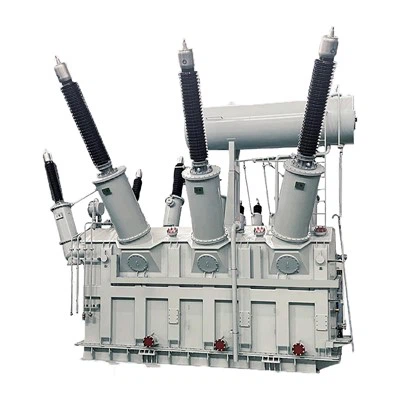
As a supplier of conventional power transformers, I’ve witnessed firsthand the profound changes taking place in the energy landscape. The relentless growth of renewable energy sources, such as solar and wind, is reshaping the way we generate and distribute electricity. This shift presents both challenges and opportunities for the conventional power transformer industry. In this blog post, I’ll explore how we can adapt our products to meet the unique requirements of renewable energy power generation. Conventional Power Transformer
Understanding the Challenges
Renewable energy sources bring a distinct set of challenges to the power grid. Unlike traditional fossil – fuel power plants, which provide a relatively stable and predictable power output, renewable energy generation is intermittent and variable. Solar power depends on sunlight, which fluctuates throughout the day and is affected by weather conditions. Wind power is subject to the vagaries of wind speed and direction.
This variability can lead to voltage fluctuations, frequency instability, and power quality issues in the grid. Conventional power transformers, which were originally designed for a more stable power environment, may struggle to handle these rapid changes. For example, sudden drops or surges in power can cause overheating, insulation degradation, and premature failure of the transformer.
Adapting Transformer Design
To address these challenges, we need to adapt the design of conventional power transformers. One key aspect is improving the transformer’s ability to handle variable loads. This can be achieved by using advanced materials and construction techniques.
Advanced Insulation Materials
New insulation materials with better thermal and electrical properties can enhance the transformer’s performance under variable conditions. For instance, high – temperature – resistant insulation materials can withstand the increased heat generated during power surges. These materials also have better dielectric strength, reducing the risk of electrical breakdown.
Enhanced Cooling Systems
Efficient cooling is crucial for transformers operating in a renewable energy environment. Variable loads can cause rapid temperature changes, and an effective cooling system can prevent overheating. We can incorporate advanced cooling technologies, such as forced – air or forced – oil cooling, to ensure that the transformer maintains a stable temperature.
Smart Transformer Technology
The integration of smart technology is another important step in adapting conventional power transformers. Smart transformers are equipped with sensors and monitoring systems that can collect real – time data on the transformer’s operating conditions, such as temperature, voltage, and current.
This data can be used to optimize the transformer’s performance. For example, if the sensors detect a sudden increase in temperature, the smart system can adjust the cooling system or reduce the load to prevent damage. Additionally, smart transformers can communicate with other components in the grid, enabling better coordination and management of the power flow.
Grid Integration and Compatibility
Renewable energy power plants are often located in remote areas, far from the main load centers. This requires long – distance transmission of electricity, which can introduce additional challenges for power transformers.
High – Voltage Direct Current (HVDC) Transmission
HVDC transmission is becoming increasingly important for integrating renewable energy into the grid. Conventional power transformers need to be adapted to work effectively with HVDC systems. This may involve modifying the transformer’s insulation design and control systems to handle the unique electrical characteristics of HVDC.
Reactive Power Compensation
Renewable energy sources, especially wind farms, often require reactive power compensation to maintain grid stability. Conventional power transformers can be designed to provide reactive power support, either through built – in capacitor banks or by using advanced control algorithms. This helps to improve the power factor and reduce the losses in the transmission lines.
Customization for Different Renewable Energy Sources
Different renewable energy sources have their own specific requirements, and power transformers need to be customized accordingly.
Solar Power Plants
Solar power plants typically operate at low to medium voltages. Transformers for solar applications need to be designed to handle the DC – to – AC conversion efficiently. They also need to be able to withstand the high – temperature environment often found in solar farms. Additionally, since solar power generation is highly dependent on sunlight, the transformer should be able to handle the rapid start – up and shut – down cycles associated with daily solar patterns.
Wind Power Plants
Wind power plants, on the other hand, are often connected to the grid at higher voltages. Transformers for wind applications need to be designed to handle the mechanical stresses caused by the wind turbine’s vibrations. They also need to be able to adapt to the wide range of wind speeds, which can result in significant variations in power output.
Quality Assurance and Testing
To ensure that our adapted conventional power transformers meet the requirements of renewable energy power generation, rigorous quality assurance and testing are essential.
Simulation and Modeling
Before manufacturing a transformer, we use advanced simulation and modeling tools to predict its performance under different renewable energy scenarios. This allows us to optimize the design and identify potential issues early in the development process.
Physical Testing
Physical testing is also conducted on prototypes. This includes testing the transformer’s electrical performance, thermal stability, and mechanical strength. We subject the transformer to a series of tests that mimic the real – world conditions it will encounter in a renewable energy environment, such as variable loads, temperature cycling, and voltage fluctuations.
The Business Case for Adaptation
Adapting conventional power transformers to the requirements of renewable energy power generation is not only a technical necessity but also a significant business opportunity. As the demand for renewable energy continues to grow, there will be a corresponding need for reliable and efficient power transformers.
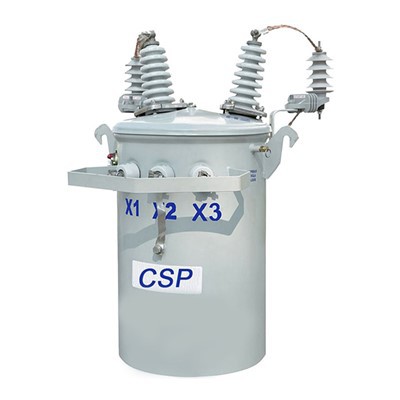
By offering transformers that are specifically designed for renewable energy applications, we can differentiate ourselves in the market. Customers are increasingly looking for suppliers who understand the unique challenges of renewable energy and can provide tailored solutions. This gives us a competitive edge and allows us to expand our market share in the renewable energy sector.
Contact for Procurement
Dry Type Transformer I believe that our experience and expertise as a power transformer supplier put us in a strong position to provide high – quality, adapted transformers for renewable energy projects. If you are involved in a renewable energy project and are looking for a reliable transformer supplier, I encourage you to get in touch with us. We can work with you to understand your specific requirements and provide a customized solution that meets your needs.
References
- Arrillaga, J., & Watson, N. R. (2003). High Voltage Direct Current Transmission. John Wiley & Sons.
- CIGRE Task Force A2.41. (2013). Transformers for Wind Power Plants. CIGRE.
- IEEE Power and Energy Society. (2017). IEEE Guide for Liquid – Immersed Distribution, Power, and Regulating Transformers. IEEE.
Nantong Yawei New Energy Technology Co., Ltd.
As one of the most professional conventional power transformer manufacturers and suppliers in China, we’re featured by quality products and good service. Please rest assured to wholesale durable conventional power transformer made in China here from our factory. Customized orders are welcome.
Address: Room 28-101, Building 27 and 28, No.333 Kaiyuan Avenue, Sunzhuang Subdistrict, Hai’an City, Nantong City, Jiangsu Province, China
E-mail: admin@nantongyawei.com
WebSite: https://www.nantongyawei.com/
