If you’re running a closed pod system setup — whether it’s for a commercial kitchen, retail beverage bar, or industrial cold storage — you already know how critical those pods are. They’re the workhorses that keep your operations running smoothly, cutting down on downtime, keeping your costs in check, and making sure every product you put out is consistent. But here’s the thing we hear all the time from our customers: “How do I know when it’s time to replace my pods?” It’s not a one-size-fits-all question, right? But as the closed pod system supplier who’s worked with hundreds of teams across different industries, I’ve seen firsthand that there are clear, science-backed signs that tell you when it’s time to swap them out. No guesswork, no overthinking — just real, actionable info you can use for your own setup. Closed Pod System
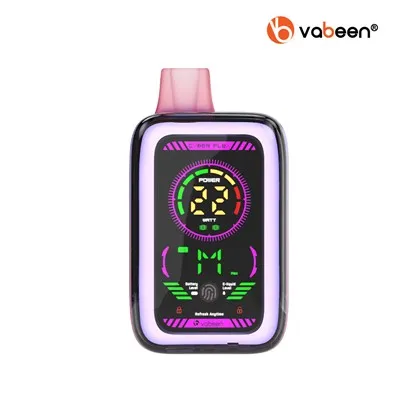
First, let’s get one thing straight: closed pods are designed to last. Most of our standard pods have a lifespan of 12–18 months under normal use, but that timeline shifts depending on how often you run your system, what you’re storing, and even the environment around your unit. For example, if you’re a busy café that runs your pod every hour during peak morning rush, those 12 months might shrink to 9. If you’re a small retail shop that only uses it a few times a day, you might get 20 months out of the same pod. The key is to watch for the red flags that come before the expiration date, not just rely on a calendar.
Let’s start with the most obvious (but often missed) sign: performance drop-offs. If your closed pod is a temperature control pod, like our model for beverage cold storage, you’ll notice a shift in set temp first. Let’s say you set your system to hold 40°F (4°C) for your bottled drinks. For the first year, it stays within ±1°F (0.5°C) 99% of the time. Now, lately, it’s hovering at 45°F (7°C) even after a full cycle, and you’re having to adjust the temp dial twice a day. That’s not just a minor inconvenience — it’s the pod’s compressor or insulation starting to break down. The same goes for flow pods, the ones that control liquid or gas flow in industrial setups. If your flow rate is off by more than 5% from the original calibrated level, that’s a sign the internal valves or seals in the pod are wearing out. We test every pod before it leaves our warehouse, so that calibration shift isn’t normal — it’s a heads-up that replacement is needed.
Another big one: weird noises or vibrations that weren’t there before. Closed pods are built to run quietly, right? You shouldn’t hear a low growl or a rattle that gets louder over time. If your pod starts making grinding sounds when it cycles, or vibrates so much that it shifts on its mount, that’s internal parts (like bearings or fan blades) wearing down. We’ve had customers ignore this for months, and what started as a small rattle ended up damaging the entire closed pod system, costing them 10x more in repairs than a simple pod swap. Trust me, when your unit starts sounding like it’s about to take off, don’t procrastinate.
Now, let’s talk about physical wear — the stuff you can see. Closed pods are sealed units, but over time, the outer casing or internal connectors can get damaged. If you notice dents on the pod that go deep (not just a minor surface mark), or if the electrical pins or hose fittings look corroded, that’s a problem. Corrosion happens when moisture gets into the pod, which can short out electrical components or cause leaks. We always recommend inspecting your pods during your regular system maintenance (like monthly) — that’s a good habit to build. Even small surface scratches on the casing? If they’re in an area where heat can’t dissipate, they might be a sign that the insulation is starting to degrade, which will hurt performance over time.
Wait, what about if your pod is passing its quality checks but still feels “off”? Let’s talk about energy usage. Your closed pod’s power draw should be consistent, give or take a few percent. If your energy bill spikes 15–20% for the same usage and production, that’s a red flag. A pod that’s losing efficiency (because of worn parts) has to work harder to do the same job, so it uses more electricity. This is a big one for commercial operations, where energy costs add up fast. We actually include a power draw log in every installation manual we send customers — you can track this monthly, and if you see a consistent upward trend, it’s time to check your pod.
I know what some of you are thinking: “Can’t I just repair the pod instead of replacing it?” For small issues, maybe — but closed pod systems are designed as modular units. The internal components are engineered to work together perfectly, so repairing a single part (like a compressor) can throw off the balance of the whole pod, leading to more issues down the line. Plus, as your supplier, we use high-quality, industry-standard parts in our pods, and swapping the entire pod ensures you get the same consistent performance as when you first installed the system. Repair might seem cheaper at first, but in the long run, replacement is more reliable and cost-effective.
Now, let’s get to the “when” specifically, not just the “how”. Here’s a quick breakdown based on use case, which we’ve seen work for our customers:
- Light use (1–2 cycles per day, small operation like a boutique café or small retail shop): Replace every 18–24 months, or when you notice performance drops.
- Medium use (3–5 cycles per day, busy café, mid-sized warehouse): Replace every 12–18 months.
- Heavy use (6+ cycles per day, industrial setup, high-volume beverage distributor): Replace every 6–12 months, and inspect monthly for early warning signs.
Also, don’t forget to check the manufacturer’s warranty. All our pods come with a 12-month warranty, so if you’re having issues before that, reach out to us first — it might be a defect, not normal wear. After the warranty period, that’s when you should start paying closer attention to the signs we talked about.
One thing I always emphasize to our customers: proactive replacement is way better than reactive. If you wait until your pod fails completely, you could lose product, shut down operations for hours or days, and deal with customer complaints (if you’re in retail). For example, a grocery store we work with once waited until their temperature pod died overnight, and they had to throw out $2,000 worth of refrigerated produce. A proactive swap a month before would have cost them $300 total, saving them thousands. That’s the math that makes sense.
I’ve gotten a lot of questions lately about “green” options too. We know sustainability is huge for businesses now, and replacing pods doesn’t have to mean adding to landfill waste. Our pods are 100% recyclable, and we offer a take-back program for used pods — we process them responsibly, recycling metal and plastic components and safely disposing of any remaining fluids. So when it’s time to replace, you’re not just fixing your system — you’re doing your part for the environment.
At the end of the day, knowing when to replace your closed pod comes down to paying attention to the small details, not just following a generic timeline. Every operation is different, so tailor it to your usage, track performance, and don’t ignore weird noises or spikes in energy use.

If you’re not sure whether your pod needs replacing, or you want to optimize your replacement schedule for your specific operation, we’re here to help. We work with businesses of all sizes, from small shops to large industrial facilities, to find the right solutions that keep your closed pod system running smoothly. If you’re looking to upgrade, swap out old pods, or just have questions about maintenance, don’t hesitate to reach out to our team to discuss your needs and find the best plan for your business.
Vape Pod System References
- International Society of Beverage Technologists. (2022). Closed Pod System Performance Standards for Commercial Food and Beverage Operations. ISBT Technical Report Series.
- U.S. Small Business Administration. (2021). Energy Efficiency Guidelines for Commercial Refrigeration and Flow Control Systems. SBA Small Business Energy Toolkit.
- National Restaurant Association. (2023). Preventative Maintenance Best Practices for Commercial Kitchen Equipment. NRA Operations Manual.
- Environmental Protection Agency. (2022). Sustainable End-of-Life Management for Commercial Pod Equipment. EPA Small Business Sustainability Guide.
- Closed Pod System Manufacturer’s Association. (2023). Lifespan and Replacement Guidelines for Modular Pod Units. CPSA Technical Bulletin.
Shenzhen Jiandun Technology Co., Ltd.
As one of the most professional closed pod system manufacturers and suppliers in China, we have world-leading production equipment and strong manufacturing capabilities. Please rest assured to buy high quality closed pod system for sale here from our factory. Contact us for quotation and free sample.
Address: 5th Floor, No.2 Building, GaoXinqi Science and Technology Park Phase II, No.6, Longchang Road, Xin’an Street, Bao’an District, Shenzhen, Guangdong, China
E-mail: info@vabeen.com
WebSite: https://www.vabeenvape.com/
