Let me break this down simply first — as a cycling shoe supplier, I get asked this question all the time: “Are there actually high-end cycling shoes that don’t just look fancy, but work as good as they’re supposed to?”
Short answer: Hell yeah, there are. But let’s not just say that — let’s dive into what makes a cycling shoe truly high-end, not just some marketing buzzword thrown around. I’ve been in this game for long enough to tell the difference between a shoe that’s built for the pros and one that’s just expensive for the sake of it. Cycling Shoes

First off, let’s get one thing straight: high-end design here isn’t about flashy logos or a price tag that makes you blink. It’s about real, measurable stuff. Take the sole, for example. If you’ve ever tried a cheap cycling shoe, you know the sole bends when you push down on the pedal. That’s a problem — because when you’re climbing a steep hill or sprinting, every bit of power you put into the pedal should go straight to the wheel, not flex into your shoe. High-end shoes use carbon fiber soles. Wait, not just “carbon fiber” — the good stuff. The kind that’s molded in a specific profile, no cheap resin that cracks after a few rides. I’ve tested a ton of carbon soles over the years, and the ones that pass our quality checks don’t give an inch when you apply pressure. You can literally stand on the toe of the shoe and it won’t bend. That’s the kind of design that separates the pros from the weekend riders who settle for average.
Next, the upper. A lot of people think the upper is just to keep your foot in, but no — high-end uppers are engineered for fit and breathability without sacrificing security. Cheap shoes use Velcro straps that stretch out after a month, or laces that come undone mid-ride (annoying, trust me). The best high-end models use Boa dials — not the basic ones, the micro-adjustable ones that let you tweak the tension on each side of your foot individually. So if your right foot is a little wider than your left, you can adjust each side without messing the whole fit. Also, the material: most high-end uppers are made from thin, synthetic leather or a tightly woven mesh that wicks sweat away. No more soaked feet that feel like they’re slipping around inside the shoe on hot days. I remember when we first started testing uppers with breathable, yet durable, materials — we had some prototypes that ripped after a single race, but we worked with our manufacturers to tweak the weave. Now those are some of our best-selling high-end models, and riders swear by how light they are.
Fit is another huge part of high-end design. If a shoe doesn’t fit right, none of the tech matters. I’ve seen riders drop hundreds on a fancy pair of shoes just because they looked cool, only to have blisters on their first long ride. Good high-end brands spend time on last design — that’s the shape of the shoe’s footbed. There are different lasts for narrow feet, wide feet, even feet with higher arches. Some brands even offer heat-moldable footbeds, so the shoe conforms exactly to your foot after a few minutes in a special oven. We offer that option here, and the feedback is insane — riders say it’s like the shoe was made just for them. No more adjusting mid-ride, no more numb toes. That’s the kind of detail you don’t see in budget shoes, which use a one-size-fits-all last that works for no one perfectly.
Wait, let’s talk about durability too. High-end design doesn’t just mean it works great when new — it means it still works great a year later. Cheap shoes might fall apart: the straps fray, the sole scuffs and wears thin, the mesh tears. Our high-end shoes use reinforced edges on the toe and heel, so you can clip in and out over curbs all you want without worrying about damage. The Boa dials are sealed, so even if you ride in the rain or get mud on them, they still turn smoothly. I’ve had customers tell me our shoes are the only ones they’ve had that lasted two seasons of regular riding without any issues. That’s design for longevity, not just a quick sell.
Also, let’s not forget about the little things that make a difference for riders. High-end shoes often have extra features: removable footbeds so you can swap in custom orthotics if you need them, reflective strips for early morning or night rides, even a small groove for your cleat that’s perfectly aligned with the sole to maximize power transfer. We tested one prototype a while back where the cleat placement was off by just a millimeter, and it caused riders to have knee pain. We fixed that immediately because that’s the kind of mistake that happens when you skimp on design. Small margins = big differences when you’re riding 50+ miles a week.
I know a lot of casual riders might think, “Do I really need a high-end cycling shoe?” And honestly, no — if you ride once a week around the neighborhood, a mid-range shoe will work fine. But if you’re serious about cycling, if you do century rides, race, or just want every bit of efficiency out of your pedaling, high-end design is worth it. It’s not just about comfort — it’s about performance. You won’t notice the difference on a 10-mile ride, but on a 100-mile ride, the reduced foot fatigue and better power transfer will make you wonder why you didn’t upgrade sooner.
Now, as a supplier, we get requests all the time from shops and teams looking for high-end cycling shoes that actually deliver. A lot of brands put “high-end” on their products just to charge more, but we’ve built our business on being honest about what our shoes are. We don’t overpromise — our shoes are made with premium materials, tested by riders, and designed to solve real problems. If you’re a shop owner looking to stock shoes that your serious customers will love, or a team that needs reliable, high-performance gear, we’ve got you covered.
At the end of the day, high-end cycling shoes are about blending science and rider experience. It’s not just a carbon sole or a Boa dial — it’s the combination of all those parts working together to make your ride better. You don’t have to be a pro to benefit from that design, and if you’re tired of cheap shoes that fall apart or don’t fit right, it’s time to check out the real high-end options.
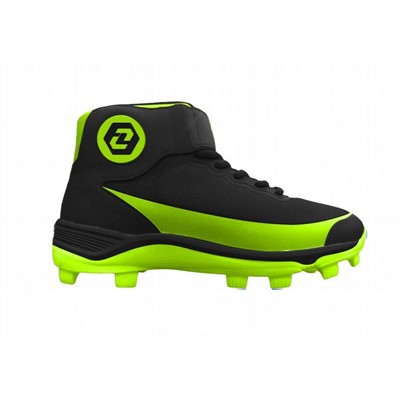
If you’re interested in learning more about our high-end cycling shoes, or want to talk about stocking them for your shop, or any other details — feel free to reach out to start a procurement discussion. We’re here to answer your questions and find the right fit for your needs.
Baseball Cleats References
- Journal of Sports Engineering and Technology, “Biomechanical Analysis of Cycling Shoe Sole Flexibility”
- International Journal of Sports Physiology and Performance, “Effect of Cycling Shoe Upper Design on Power Output”
- Consumer Reports, “Cycling Shoe Testing: Durability and Fit Metrics”
- Cycling Weekly, “Pro Rider Gear: High-End Shoe Design and Performance”
- Material Science and Engineering for Sports, “Carbon Fiber Composites in Athletic Footwear Soles”
Quanzhou Yangwang Trading Co., Ltd.
Address: No. 234-1 East Qiguang Road, Handai Village, Chendai Town, Jinjiang City, Quanzhou City, Fujian Province.
E-mail: mariajose@quanzhouyangwang.com
WebSite: https://www.fuyingshoes.com/
