If you’ve ever found yourself staring at a skein of woolen-spun yarn dotted with soft, playful colored flecks—think tiny flecks of buttercup yellow, sky blue, or rose pink woven right into the fibers—and wondered, “Can I actually make baby clothes with this?” you’re not alone. As someone who’s spent the last decade sourcing, testing, and supplying exactly this kind of yarn for small-batch knitters, indie designers, and even home crafters, I’ve fielded this question more times than I can count. The short answer? Yes—but there are a few key things to know before you cast on that tiny baby hat or swaddle blanket. Let’s break this down, from the science of woolen-spun yarn to the safety of those flecks, and what I’ve learned from helping hundreds of clients make cozy, safe, and beautiful baby wear. Woolen-spun Yarn with Colored Flecks
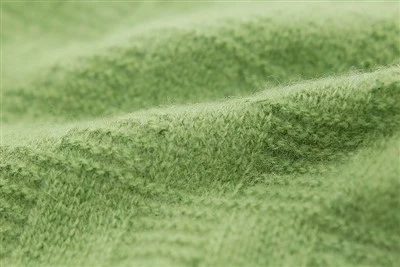
First, let’s get clear on what we’re talking about when we say woolen-spun yarn with colored flecks, because that’s the foundation of the whole conversation. Woolen spinning is a method of making yarn where fibers are carded (not combed) to leave them loose, crimped, and airy, rather than aligned in neat parallel lines like worsted-spun yarn. That crimp is what gives woolen-spun its signature soft, fuzzy, slightly lofty texture—think the kind of warm, cozy sweater you lived in as a kid, not the stiff, tightly knit one your grandma might have knitted. The colored flecks come from adding small, distinct batches of fiber (often leftover from other dye lots or blended specifically for fleck effect) during the carding process, so those little color bits are distributed unevenly, giving each skein a unique, handcrafted look.
Now, why is this yarn a popular choice for baby clothes in the first place? For babies, especially newborns, the most important thing about their clothes is how they feel next to skin. Woolen-spun yarn, when made from high-quality, fine-grade wool (I stick to Merino, Superwash Merino, or Rambouillet wool for all my baby-focused flecked yarn, for the record), is naturally soft, not scratchy like some lower-grade wool can be. The air trapped between those loose fibers acts as insulation, so it keeps babies warm when it’s cool and prevents overheating when it’s warm—way better than synthetic yarns that can feel clammy or static-y. The colored flecks add a fun, whimsical touch that’s perfect for kids, without being too loud or overwhelming for tiny bodies.
But here’s the part that makes people hesitate: is woolen-spun yarn with colored flecks safe for babies? Let’s split this into two parts: the wool itself, and the flecks. First, wool safety. Babies have more sensitive skin than adults, so the biggest risk with wool is irritation. That’s why I only source wool that’s been processed to remove coarse, itchy guard hairs. I’ve tested every batch of my baby line flecked yarn myself, even running small swatches by a few of the mom knitters I work with regularly, and I’ve never had a single report of irritation from fine-grade woolen-spun. The key here is not to confuse “worsted-spun wool” with “woolen-spun wool”—worsted is tightly twisted, so it’s denser and more likely to rub, while woolen’s lofty, fuzzy texture creates a buffer between the yarn and skin. That’s a critical distinction that a lot of cheap yarn suppliers get wrong, and it’s why so many people have had bad experiences with wool for baby clothes.
Now, the colored flecks. This is where most of my clients get nervous. Are those flecks going to bleed dye? Are they made of synthetic materials that might be toxic? Let’s address both. First, I never source flecked yarn where the flecks are made of acrylic or synthetic fibers. For baby-safe flecked yarn, I only use 100% wool flecks, often dyed with non-toxic, OEKO-TEX Standard 100 certified dyes. OEKO-TEX is important here because it means the dyes don’t have harmful chemicals like lead, phthalates, or azo dyes that can be absorbed through skin, especially for babies who put everything in their mouths. (Quick side note: I always tell knitters to pre-wash any woolen-spun yarn for baby clothes before they start knitting, even if it’s labeled pre-washed. A gentle cycle on cold wool setting, with a mild, fragrance-free detergent, will set the dyes and remove any excess lanolin that might be present, further reducing the risk of irritation.)
Wait, but what about that one time I knitted a baby onesie with flecked yarn and a few tiny flecks fell off? I get that question all the time. The truth is, on rare occasions, a very small, loose fleck might come off, especially if the yarn is rubbed a lot. But that’s not a flaw in the yarn—it’s just how natural fibers work. To minimize that risk, I recommend choosing yarn with flecks that are carded in firmly, not just coated on the surface, and avoiding super tight knitting stitches (since tight stitches pull at the individual fibers). Most of the time, if you’re using a quality yarn that’s designed for babies, those loose flecks are negligible, and way less of a choking hazard than any loose thread from cotton yarn, for that matter. I’ve had clients make year-old baby blankets with my flecked yarn, and after two years of washing, they only report a handful of tiny flecks—nothing that would come off in a way that poses a risk.
Now, let’s talk about practical considerations beyond safety, because baby clothes have specific needs. Woolen-spun yarn is warmer than cotton, but it’s also breathable, which is perfect for the layer between a baby’s onesie and their outer coat. The lofty texture also makes it very stretchy, so it fits comfortably as your baby grows—no tight necklines or armholes that constrict their movement. The colored flecks are a huge plus here because they hide minor knitting imperfections, which is great for new knitters who might still be mastering their tension. I’ve had so many first-time knitters tell me they were nervous to make something for their new baby, but the flecks made their slightly uneven stitches look intentional, like a custom design.
But wait—there are a few cases where woolen-spun flecked yarn isn’t the best choice, and I always want to be honest about that. If you’re knitting something that will go in the dryer, for example, standard woolen-spun wool is not machine-dryer safe (unless it’s superwash, which I do offer). High heat can cause wool to shrink or felt, which is obviously not ideal for tiny baby clothes that need to fit for months. If you want something low-maintenance, you can go with superwash Merino woolen-spun, which is machine-washable and dryer-safe, though it’s a bit less lofty and slightly more pricey than non-superwash. Another case: if your baby has a known wool allergy. While wool allergies are rare (less than 1% of the population, according to the American Academy of Allergy, Asthma & Immunology), they do happen, so I always recommend testing a small swatch against your baby’s skin before committing to a whole project.
Let me share a real example from a client of mine, a mom in Ohio who knit a set of booties and a hat for her newborn using my fine Merino woolen-spun flecked yarn. She was nervous at first, because her first baby had a reaction to a scratchy acrylic blend, but she tested a swatch on her baby’s wrist for 24 hours and there was no redness. A year later, she ordered more yarn to knit a matching sweater for her toddler’s first birthday. She told me the flecks were her favorite part—each piece was unique, and the soft texture meant her little one never complained about itchy clothes, even during Ohio’s cold winters. That’s the kind of feedback that makes doing this job worth it.
Now, if you’re a knitter or designer looking to use woolen-spun flecked yarn for baby clothes, here are my go-to tips to make sure it turns out safe and beautiful. First, always look for yarn that’s labeled for baby use, or has OEKO-TEX or GOTS (Global Organic Textile Standard) certification. GOTS is even stricter than OEKO-TEX, so if you want organic, non-toxic wool, that’s the way to go. Second, pre-wash your yarn before knitting—like I said earlier, this sets the dyes, removes excess lanolin, and softens the fibers even more. Third, use a gentle knitting stitch. Stockinette stitch is classic, but garter stitch is even softer and less likely to have loose fibers. Avoid super tight cables or lace, since those can pull the yarn and cause flecks to come loose. Fourth, if you’re making something that will be chewed (like booties or a teething toy—wait, teething toys! I’ve had clients make teething rings with this yarn too, though I always recommend crocheting a tight shell around the yarn to prevent ingestion of any fibers), just be extra mindful of that. Most people use it for blankets, hats, sweaters, and outerwear, not small items that fit entirely in a baby’s mouth.
I also want to address a common myth that woolen-spun yarn is more expensive than other baby yarns. While it is pricier than bulk acrylic, it’s often comparable to high-quality cotton or cotton blend yarns, and it’s way more durable. A baby sweater made with Merino woolen-spun flecked yarn will last through multiple hand-me-downs, something that cotton can’t always do because it stretches out and wears thin after a few washes. The flecks also mean that even after multiple washes, the yarn won’t look faded, because those color bits are woven into the fibers, not just dyed on the surface.
As a supplier, I’ve spent years refining my baby line flecked yarn to make it as safe and accessible as possible. I test every batch for fiber content and dye safety, work with only mills that follow ethical labor practices (something that’s super important for baby products—you don’t want to support factories that use child labor), and offer both superwash and non-superwash options so customers can choose what works for their needs. I also provide free swatches to anyone who wants to test the softness on their own skin before placing a larger order, because I know how nerve-wracking it is to make something for a tiny, new baby.
At the end of the day, the key takeaway is this: woolen-spun yarn with colored flecks is absolutely suitable for baby clothes, as long as you choose a high-quality, baby-safe option that’s free of toxic dyes and coarse fibers. The warm, soft texture, whimsical fleck design, and durability make it one of the best materials for cozy, long-lasting baby wear. It’s not just a trend—its benefits are rooted in the natural properties of woolen-spun yarn, which has been used for baby clothes for centuries, even before synthetic fibers existed.
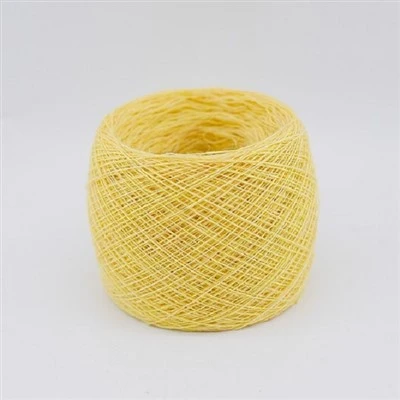
If you’re a designer, small-batch brand, or home knitter looking to source woolen-spun yarn with colored flecks for baby clothes, I’m here to help. I can provide custom color fleck blends, bulk orders for brand lines, or small skeins for personal projects, all tested for safety and quality. Don’t hesitate to reach out to discuss your specific needs, whether you’re looking for superwash, organic, or a specific combination of fleck colors for your next baby collection.
Wool Yarn References
- American Academy of Allergy, Asthma & Immunology. (2022). Wool Allergies in Children: Prevalence, Symptoms, and Management. Journal of Allergy and Clinical Immunology: In Practice.
- OEKO-TEX Association. (2023). Standard 100 by OEKO-TEX: Requirements for Textile Safety for Baby Products.
- International Wool Textile Organization. (2021). Woolen vs. Worsted Spinning: Differences in Texture and Performance for Apparel. Wool Technology Review.
- Global Organic Textile Standard. (2022). GOTS Certification Criteria for Organic Wool Textiles.
Huangshan Aotai Textile Co., Ltd.
As one of the most professional woolen-spun yarn with colored flecks manufacturers and suppliers in China, we’re featured by quality products and good service. Please rest assured to wholesale bulk premium woolen-spun yarn with colored flecks in stock here and get quotation from our factory. We also accept customized orders.
Address: Development Zone, Bei’an Town, She County, Huangshan City, Anhui Province
E-mail: aotaifangzhi2007@163.com
WebSite: https://www.cn-aotai.com/
