Ferns are a beloved addition to any indoor or outdoor space, known for their lush foliage and air-purifying qualities. As a supplier of fiberglass planters, I often get asked whether fiberglass planters are suitable for growing ferns. In this blog post, I’ll delve into the characteristics of fiberglass planters and ferns to help you determine if this combination is right for your greenery. Fiberglass Planter

Understanding Ferns
Ferns are ancient plants that have been around for millions of years. They thrive in moist, shady environments, making them ideal for indoor settings or shaded outdoor areas. Ferns prefer well-draining soil that retains moisture without becoming waterlogged. They also require consistent humidity levels to keep their fronds healthy and vibrant.
Some popular types of ferns include Boston ferns, maidenhair ferns, and staghorn ferns. Each type has its own specific care requirements, but in general, ferns need regular watering, indirect light, and a bit of fertilizer to grow well.
Advantages of Fiberglass Planters for Ferns
- Durability: Fiberglass planters are incredibly durable and can withstand a variety of weather conditions. They are resistant to cracking, chipping, and fading, making them a long-lasting option for growing ferns. Whether you place your fern planter indoors or outdoors, you can trust that the fiberglass will hold up over time.
- Lightweight: Compared to traditional clay or concrete planters, fiberglass planters are much lighter. This makes them easier to move around, especially if you need to reposition your ferns to find the perfect amount of light or shade. You can easily transport a fiberglass planter from one room to another or move it outside during the warmer months.
- Design Versatility: Fiberglass planters come in a wide range of shapes, sizes, and colors. You can choose a planter that complements the style of your home or garden and enhances the beauty of your ferns. Whether you prefer a modern, minimalist look or a more traditional design, there’s a fiberglass planter to suit your taste.
- Insulation Properties: Fiberglass has excellent insulation properties, which can help regulate the temperature of the soil in the planter. This is beneficial for ferns, as they prefer a consistent soil temperature. The insulation also helps prevent the soil from drying out too quickly, which is important for maintaining the moisture levels that ferns need to thrive.
- Drainage Options: Many fiberglass planters are designed with drainage holes to prevent water from pooling at the bottom of the planter. This is crucial for ferns, as they are susceptible to root rot if the soil is too wet. The drainage holes allow excess water to escape, ensuring that the soil remains well-drained and healthy for the fern.
Considerations When Using Fiberglass Planters for Ferns
- Soil Selection: Choosing the right soil is essential for the health of your ferns. Ferns prefer a well-draining soil that is rich in organic matter. You can use a commercial potting mix specifically formulated for ferns or create your own mix by combining equal parts peat moss, perlite, and vermiculite. Avoid using heavy soils that can retain too much water and lead to root rot.
- Watering: Ferns need to be watered regularly to keep the soil moist but not waterlogged. When using a fiberglass planter, it’s important to monitor the moisture levels in the soil. Check the soil with your finger or a moisture meter to determine if it needs watering. If the top inch of soil feels dry, it’s time to water your fern. Be careful not to overwater, as this can cause the roots to rot.
- Humidity: Ferns thrive in high humidity environments. To increase the humidity around your fern, you can place a tray of water near the planter or use a humidifier. You can also mist the fronds of the fern with water a few times a day to keep them moist.
- Light Requirements: Most ferns prefer indirect light or partial shade. Avoid placing your fern in direct sunlight, as this can scorch the fronds. If you’re growing your fern indoors, place it near a window that receives bright, indirect light. If you’re growing it outdoors, choose a shaded area that gets a few hours of morning or afternoon sun.
- Fertilization: Ferns benefit from regular fertilization to promote healthy growth. You can use a balanced, water-soluble fertilizer every two to four weeks during the growing season. Follow the instructions on the fertilizer package for the correct dosage and application method.
Tips for Using Fiberglass Planters with Ferns
- Choose the Right Size Planter: Make sure the planter is large enough to accommodate the roots of your fern. A planter that is too small can restrict the growth of the fern and cause it to become root-bound. As a general rule, choose a planter that is at least 2-3 inches wider and deeper than the root ball of the fern.
- Add a Layer of Gravel: Before adding soil to the planter, place a layer of gravel at the bottom to improve drainage. This will help prevent water from pooling at the bottom of the planter and causing root rot.
- Use a Liner: If you’re concerned about the fiberglass planter getting dirty or damaged, you can use a plastic liner inside the planter. This will make it easier to clean the planter and protect it from scratches.
- Rotate the Planter: To ensure that your fern grows evenly, rotate the planter every few weeks. This will expose all sides of the fern to light and prevent it from leaning towards the light source.
- Prune Regularly: Pruning your fern regularly will help keep it healthy and looking its best. Remove any dead or yellowing fronds to promote new growth. You can also trim back any overgrown fronds to maintain the shape of the fern.
Conclusion
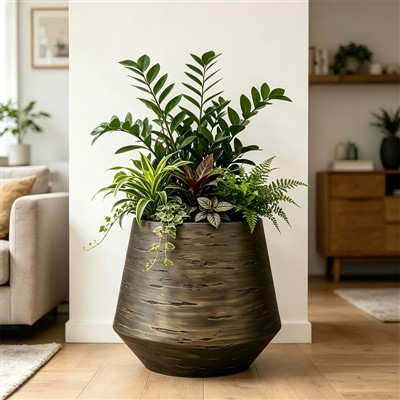
In conclusion, fiberglass planters are an excellent choice for growing ferns. They offer many advantages, including durability, lightweight, design versatility, insulation properties, and drainage options. However, it’s important to consider the specific needs of ferns when using fiberglass planters, such as soil selection, watering, humidity, light requirements, and fertilization. By following these tips and guidelines, you can create a healthy and beautiful environment for your ferns to thrive.
Minimalist Sculpture If you’re interested in purchasing fiberglass planters for your ferns or other plants, please feel free to contact us. We offer a wide range of high-quality fiberglass planters in various sizes, shapes, and colors to suit your needs. Our team of experts is available to answer any questions you may have and help you choose the perfect planter for your greenery.
References
- "Ferns: A Comprehensive Guide to Their Care and Cultivation" by Jane Smith
- "The Encyclopedia of Houseplants" by John Doe
- "Gardening with Fiberglass Planters" by Emily Johnson
Huizhou Boruidi Industrial Co., Ltd.
Huizhou Boruidi Industrial Co., Ltd. is one of the most professional fiberglass planter manufacturers and suppliers in China, featured by quality products and good price. Please rest assured to wholesale custom made fiberglass planter from our factory. For quotation, contact us now.
Address: Area B, Yihong Industrial Park, Xinlian Village, Huiyang District, Huizhou City, Guangdong Province
E-mail: info@boruidi.com
WebSite: https://www.boruidi.com/
